What Does a Track Protection Officer Do?
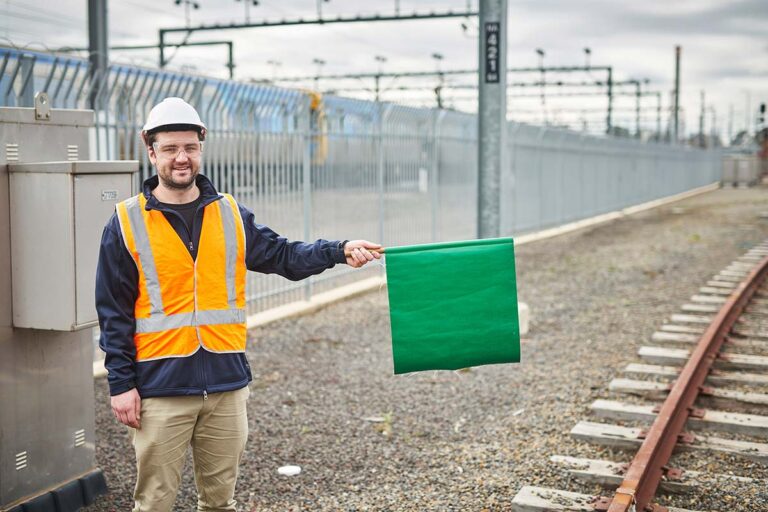
A Track Protection Officer helps protect workers from rail traffic while work is being carried out on or near the railway track. Their responsibilities can include assessing worksite risks, establishing appropriate protection arrangements, communicating with relevant rail personnel, monitoring conditions, and ensuring protection requirements are followed. The role requires strong safety awareness, communication, attention to detail, and knowledge of applicable rail network rules and procedures. Specific duties and authorisations vary between rail networks and levels of competency.
Understanding the Role of a Track Protection Officer
Working on or around railway tracks involves risks that must be carefully controlled. Trains and other rail traffic may operate near worksites, while maintenance, construction and inspection activities can involve multiple teams working within the rail corridor. Effective protection arrangements are therefore an important part of maintaining a safe working environment. Track Protection Officers play an important role in this process. Depending on the rail network, their level of competency and the work being undertaken, they help establish and manage protection arrangements intended to keep workers separated from rail traffic and other operational risks. It is a safety-critical role that requires technical knowledge, clear communication and the ability to remain alert to changing conditions.
What Is a Track Protection Officer?
A Track Protection Officer, often referred to as a TPO, is a rail safety worker with responsibilities relating to the protection of people carrying out activities on or near railway tracks. The exact scope of the role varies according to the relevant rail infrastructure manager, network rules, competency level and worksite conditions. In general, a Track Protection Officer assesses the work being undertaken and helps implement an appropriate method of protection in accordance with applicable procedures. This can require coordination with other rail personnel, monitoring the worksite and maintaining awareness of train movements and operational conditions. Because the consequences of errors can be serious, Track Protection Officers need to understand their responsibilities and work within the limits of their competency and authority.
Assessing Worksite Risks
An important part of track protection is understanding the environment in which work will take place. Before work begins, relevant hazards and operational conditions need to be considered. These may include the location of the work, expected rail traffic, access points, visibility, the activities being undertaken and other conditions that could influence safety. Track Protection Officers use their training, network procedures and available information to help determine how workers should be protected. Conditions can also change after work begins. Maintaining awareness throughout the activity is therefore essential rather than treating risk assessment as a one-off task.
Establishing Appropriate Protection
Different rail activities and environments may require different forms of protection. A Track Protection Officer must understand the protection methods they are authorised and competent to implement and the circumstances in which those methods can be used. Once the appropriate arrangements have been determined, the protection needs to be established correctly before relevant work proceeds. This requires careful attention to applicable network rules and procedures. Taking shortcuts or making assumptions can introduce unnecessary risks in a safety-critical environment. The Track Protection Officer also needs to understand when conditions fall outside their authority or competency and when further direction or a different level of protection is required.
Communicating With Rail Personnel
Clear communication is fundamental to track protection. Track Protection Officers may need to exchange information with workers, supervisors, network control personnel and other authorised rail staff, depending on the network and protection arrangements being used. Information must be communicated clearly and accurately so everyone understands the protection in place, the limits of the worksite and any relevant restrictions or changes. The Track Protection Officer may also need to brief workers before activities begin. This helps ensure the work group understands the protection arrangements and their individual responsibilities. Strong communication reduces the potential for misunderstandings and helps everyone maintain a shared understanding of worksite conditions.
Monitoring the Worksite
Track protection does not end once arrangements have been established. Conditions need to be monitored while work is taking place. Rail movements, work activities, environmental conditions or operational circumstances may change, requiring the situation to be reassessed. A Track Protection Officer must therefore maintain concentration and situational awareness throughout the period for which they are responsible. This makes the role particularly suited to individuals who can remain focused, process information carefully and respond appropriately when circumstances change.
Following Network Rules and Procedures
Australia’s rail industry operates across different networks, and requirements can vary between rail infrastructure managers. Track Protection Officers need to understand and comply with the rules, procedures and requirements applicable to the network on which they are working. A protection method or authorisation used in one environment should not automatically be assumed to apply elsewhere.
This is one reason training and competency are so important. Workers need knowledge that is relevant to their responsibilities and must understand the limits of what they are authorised to perform. Following established procedures consistently supports safer and more predictable work practices across rail environments.
What Skills Does a Track Protection Officer Need?
Successful Track Protection Officers require a combination of technical knowledge and professional attributes. Strong situational awareness is essential because the officer must remain conscious of what is happening across the worksite and recognise when conditions change. Clear communication is equally important. Instructions and operational information need to be understood and communicated accurately, particularly when coordinating with other workers and rail personnel. Attention to detail, sound judgement and the ability to remain calm are also valuable. Track protection involves safety-critical decisions, so workers must be prepared to follow procedures rather than take unnecessary risks. Professionalism and personal responsibility are important as well. A Track Protection Officer needs to understand the significance of the role and consistently work within their competency and authority.
Why Training Is Important
Track protection is not a role that can be learned through observation alone. Appropriate training and competency development are necessary to understand protection methods, network requirements, risk assessment and safety responsibilities. Training provides the theoretical foundation for understanding how track protection works, while practical learning helps participants apply that knowledge to realistic situations. Practical exercises can also develop communication, problem-solving and situational awareness. These skills are particularly important when workers need to interpret conditions and apply procedures correctly. Depending on the network and role, additional competency, authorisation, experience or network-specific requirements may also apply before a person can perform particular track protection duties. Practical training helps rail workers apply safety procedures and develop confidence in realistic scenarios before taking on greater responsibilities. Learn more in 7 Tips to Help You Get the Most Out of Your Rail Training, which covers practical learning, safety awareness and ways to make the most of rail training.
Is Track Protection a Potential Career Pathway?
For people already working within rail, developing track protection competencies may form part of broader career development. Rail professionals can build their careers through experience, additional training and progressively broader responsibilities. Track protection can provide valuable knowledge of rail safety, worksite coordination, operational procedures and risk management. However, progression depends on the individual’s competencies, experience, employer requirements and the rules of the relevant rail network. Completing training alone should not be viewed as automatically providing authority to perform every form of track protection. Understanding these requirements is important when planning a career pathway within rail. Developing additional competencies can be an important part of progressing within the rail industry. Our article, Preparing for Leadership Opportunities in the Rail Industry, explores how technical knowledge, communication, sound decision-making and ongoing professional development can help rail professionals prepare for greater responsibilities.
Importance of Track Protection in Rail Safety
Rail maintenance and infrastructure work must often be completed while the broader network continues to operate. Effective protection arrangements help these activities take place while managing the risks associated with rail traffic. Track Protection Officers contribute to this process by applying their knowledge of protection requirements, monitoring conditions and communicating with the people involved. Their work is part of a broader rail safety system involving procedures, competent workers, operational controls and shared responsibility. For anyone considering this type of role, a strong commitment to safety and continuous learning is essential.
A Track Protection Officer plays an important role in helping protect people who work on or near railway tracks. Depending on their competency, authority and the relevant rail network, their responsibilities can include assessing worksite conditions, establishing protection arrangements, communicating with rail personnel and monitoring the worksite while activities are underway. The role requires concentration, clear communication, sound judgement and a thorough understanding of applicable rail safety procedures. Appropriate training and practical learning help workers develop these capabilities and understand the responsibilities associated with track protection.
-
The Dos and Don’ts of Railway Safety
Like all industries, the Australian railway sector faces its own unique risks. Depending on how you interact with the network, the dangers could range…
-
What Is a Transdev Light Rail Protection Officer?
A Transdev Light Rail Protection Officer helps manage the safety of work parties carrying out activities on or around the Sydney Light Rail network….
-
Rail Trainer
Beginning in September, CERT Training will be using our new logo across all our social, digital, media, and print platforms.