News
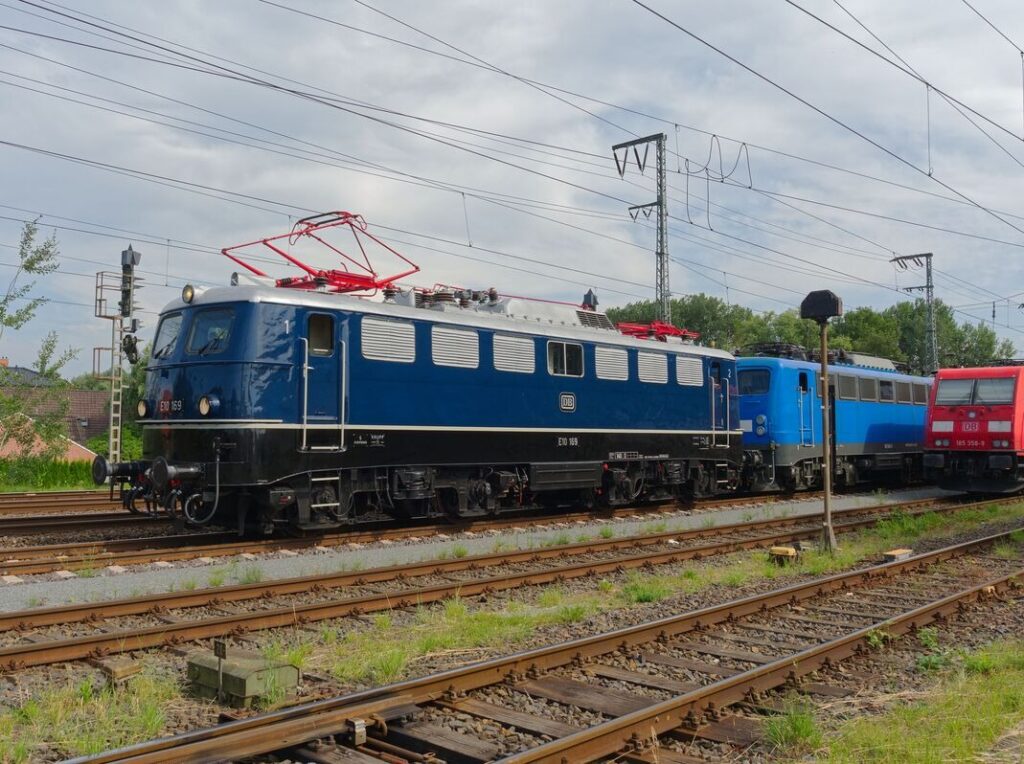
What Is Nationally Recognised Rail Training in Australia?
Nationally recognised rail training is vocational education and training that meets Australian standards and leads to recognised units of competency or qualifications. It is delivered and assessed by Registered Training Organisations that are approved to provide the relevant training. Rail training can cover areas such as rail safety, track work, operations, safeworking and infrastructure. Successful…
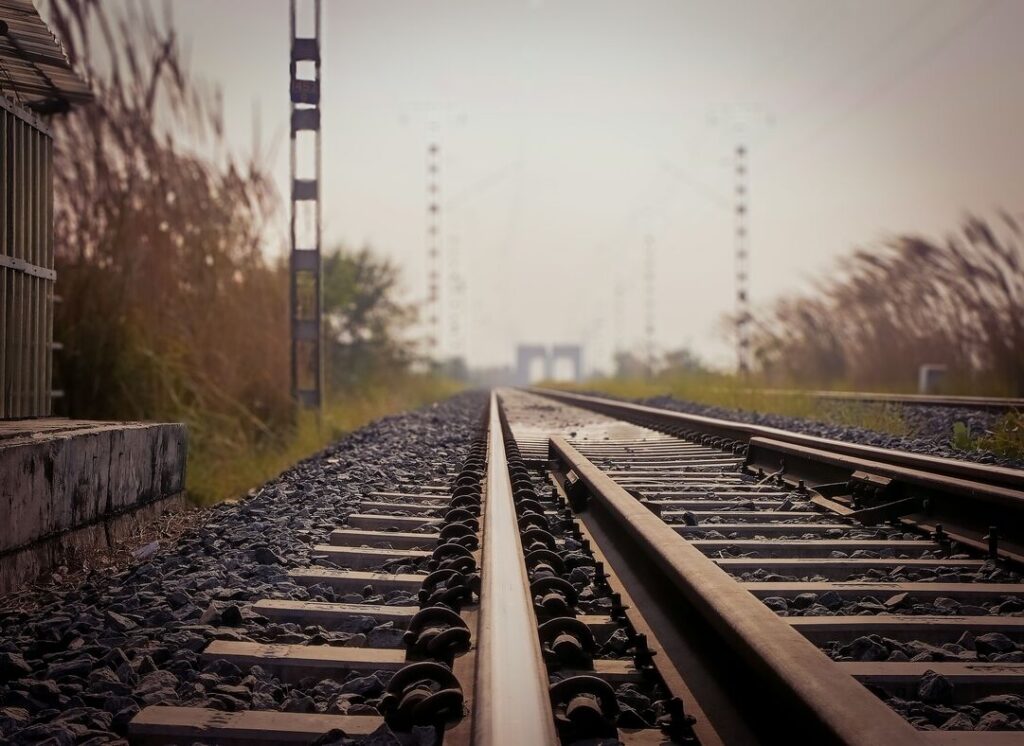
What Is a Unit of Competency in Rail Training?
A unit of competency is a nationally recognised set of skills and knowledge required to perform a particular workplace activity to an expected standard. In rail training, units of competency can cover areas such as rail corridor safety, communication, track work, safeworking and other industry functions. Each unit specifies what a learner needs to know…
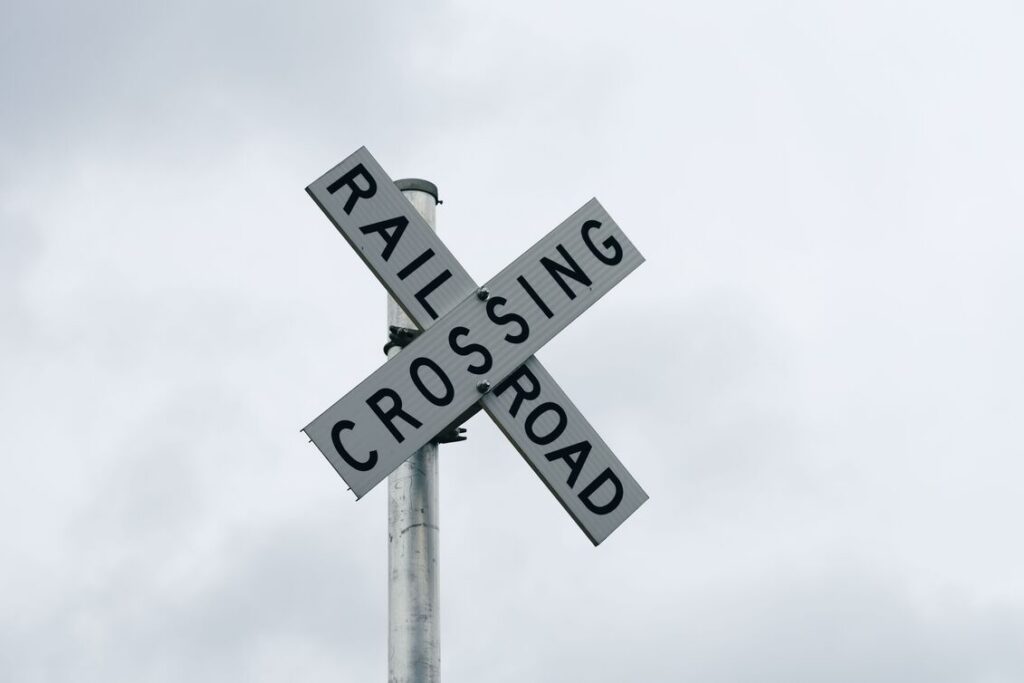
What Is Rail Infrastructure and Why Is It Important?
Rail infrastructure includes the physical systems and assets that allow trains and light rail vehicles to operate safely and efficiently. It can include railway tracks, sleepers, bridges, tunnels, signalling equipment, stations, level crossings, electrical systems and communication infrastructure. These assets support passenger and freight services across Australia. Rail infrastructure is important because its condition and…
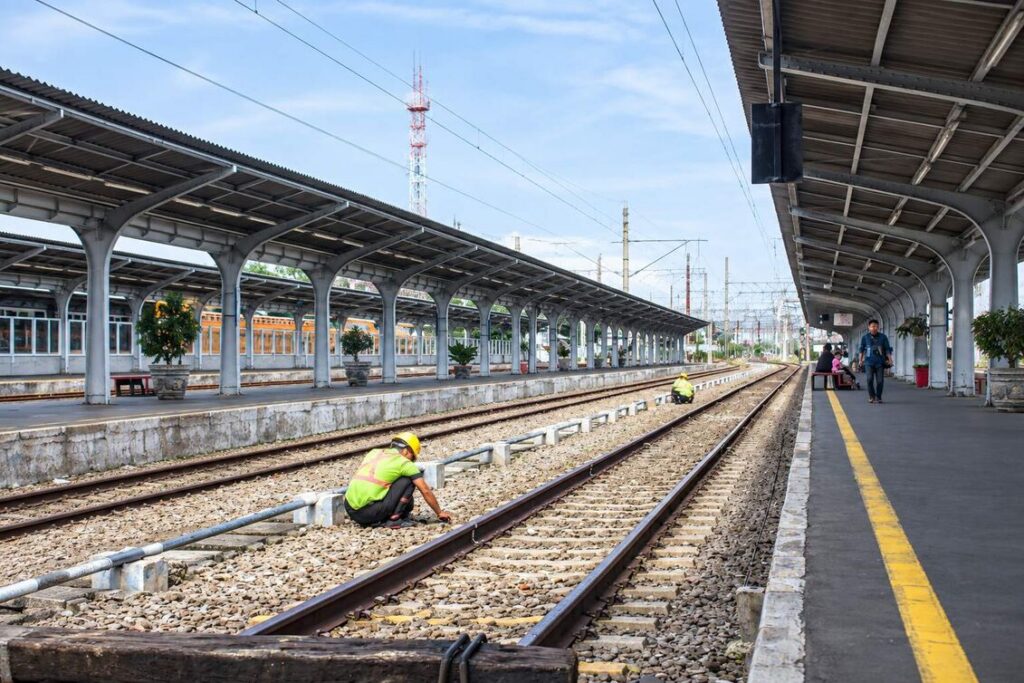
How to Become a Protection Officer on the Queensland Rail Network
Becoming a Protection Officer on the Queensland Rail network requires appropriate rail safety training, relevant prerequisite competencies and successful completion of the training required for the Protection Officer role. Workers must understand worksite protection, rail safety risks, communication requirements and applicable network procedures. Additional requirements may include rail corridor access competency, medical fitness, practical experience…

How Effective Communication Helps Improve Rail Safety
Effective communication helps improve rail safety by ensuring workers receive, understand and confirm important safety information. Clear communication can reduce misunderstandings, support worksite coordination and help workers respond appropriately when conditions change. In rail environments, safety-critical information may relate to rail movements, worksite protection, hazards, authorities and operational instructions. Workers need to use clear language,…
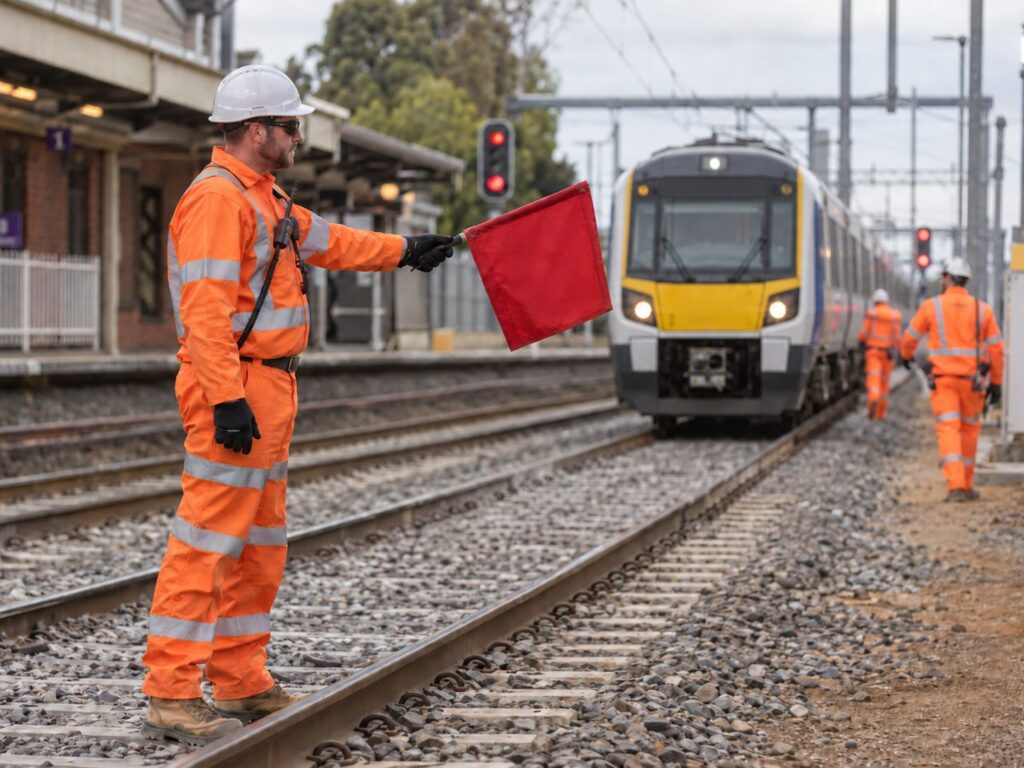
What Is the Role of a V/Line Handsignaller in a Rail Worksite?
A V/Line Handsignaller performs safety-related duties that help manage rail traffic around worksites on Victoria’s V/Line network. Depending on their competency and the protection arrangements in place, a handsignaller may perform lookout duties, act as an inner or outer handsignaller, and provide approved signals to rail traffic. The role requires concentration, clear communication, situational awareness…
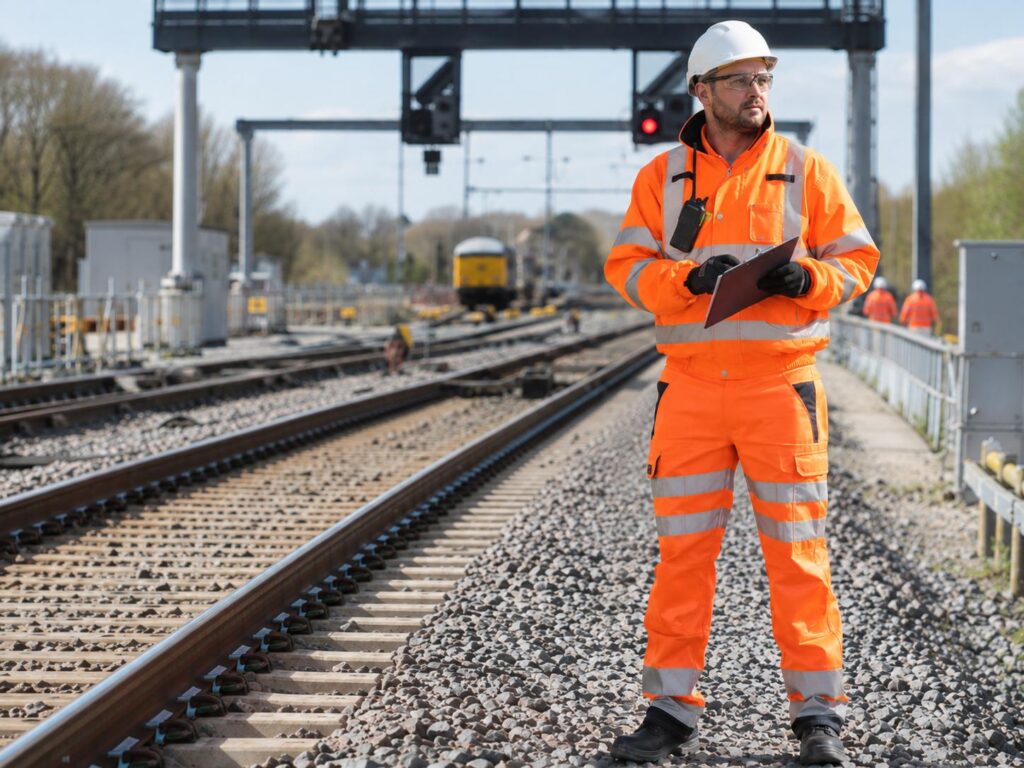
Protection Officer Responsibilities Explained
A Protection Officer helps protect workers from rail traffic while work is carried out on or near railway tracks. Key responsibilities can include assessing worksite risks, determining appropriate protection arrangements, communicating with rail personnel, briefing work groups, monitoring conditions and ensuring protection requirements are followed. Protection Officers must remain alert, communicate clearly and work within…
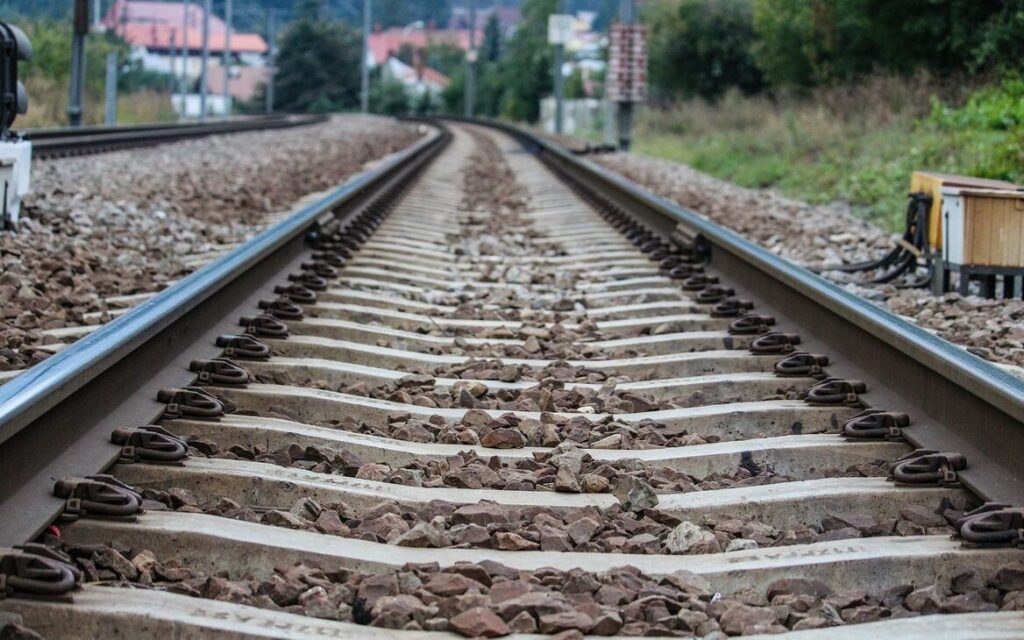
Who Needs Safely Access the Rail Corridor Training?
Safely Access the Rail Corridor training is designed for people who need to enter and work in or around a rail corridor as part of their job. This can include rail workers, contractors, maintenance personnel, construction workers and others whose duties require authorised rail corridor access. The training develops essential knowledge about rail hazards, safe…

A Beginner’s Guide to Line Handsignalling in the Rail Industry
Line handsignalling is a rail safety function used to communicate instructions to rail traffic in situations where handsignallers form part of the applicable safeworking arrangements. A trained handsignaller may perform lookout duties, provide approved signals and help support worksite protection. The role requires concentration, clear communication, situational awareness and strict adherence to network rules and…
What to Know About UGLRL Safeworking Training
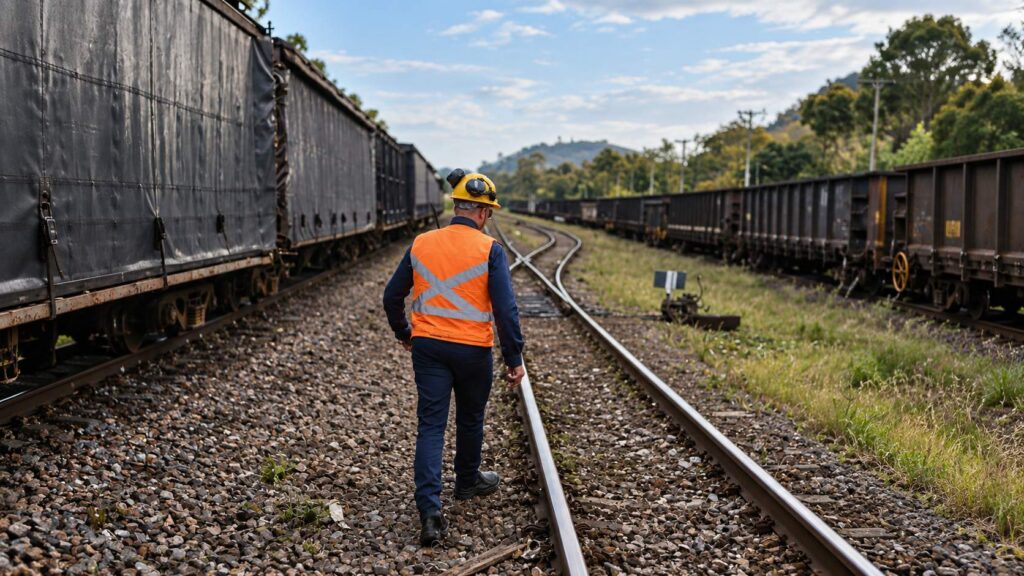
UGLRL Safeworking Training prepares rail workers to perform specific safeworking duties on the UGL Regional Linx network in New South Wales. Depending on the course, training can cover worksite protection, hand signalling, track vehicle operation, safeworking procedures and other network-specific responsibilities. Participants need to complete the training and competency requirements relevant to the role they…
What Is a Transdev Light Rail Protection Officer?
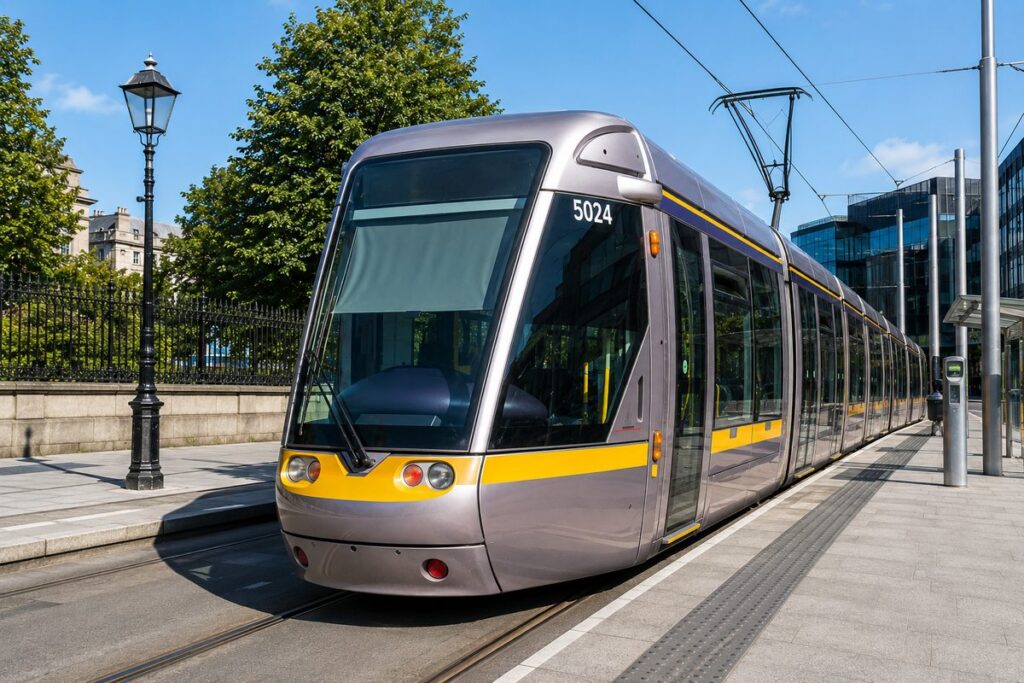
A Transdev Light Rail Protection Officer helps manage the safety of work parties carrying out activities on or around the Sydney Light Rail network. The role involves assessing track protection requirements, following network rules and procedures, using safety-critical communication, managing relevant permits and helping protect workers from light rail movements and other operational hazards. Protection…

Understanding the Risks of Working in Electrified Rail Territory
Working in electrified rail territory can expose workers to serious electrical hazards from overhead wiring, traction power systems and other energised infrastructure. Electrical contact or unsafe proximity can result in severe injury or death, and equipment does not always need to touch an electrical source for danger to exist. Workers must understand the hazards, maintain…
What Is Fatigue Management in the Rail Industry?
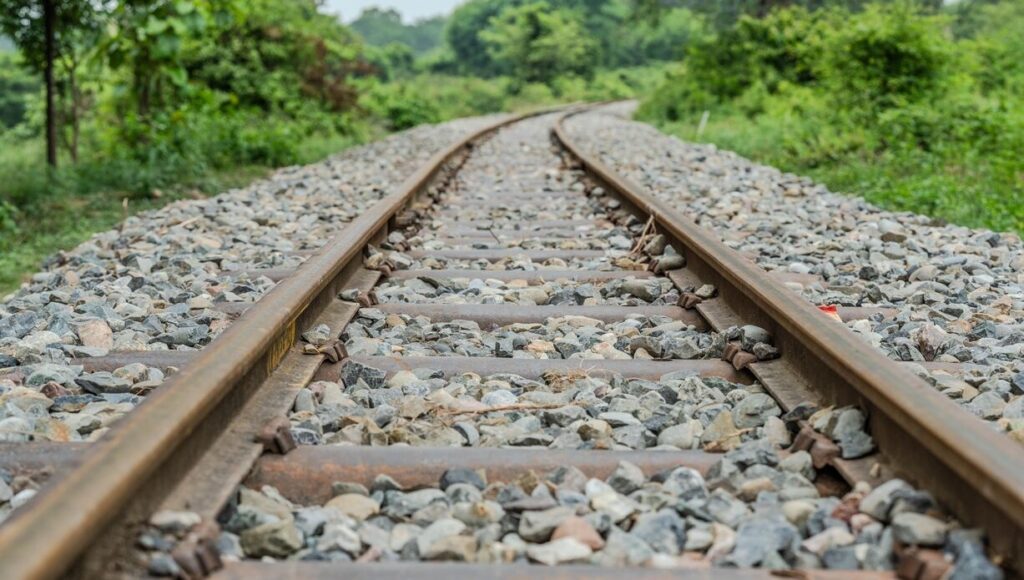
Fatigue management in the rail industry is the process of identifying, assessing and controlling fatigue-related risks that may affect a person’s ability to work safely. Fatigue can reduce alertness, concentration, reaction time and decision-making ability, making it an important safety consideration in rail environments. Effective fatigue management involves both organisations and workers recognising fatigue risks…
What to Expect During Rail Safety Training
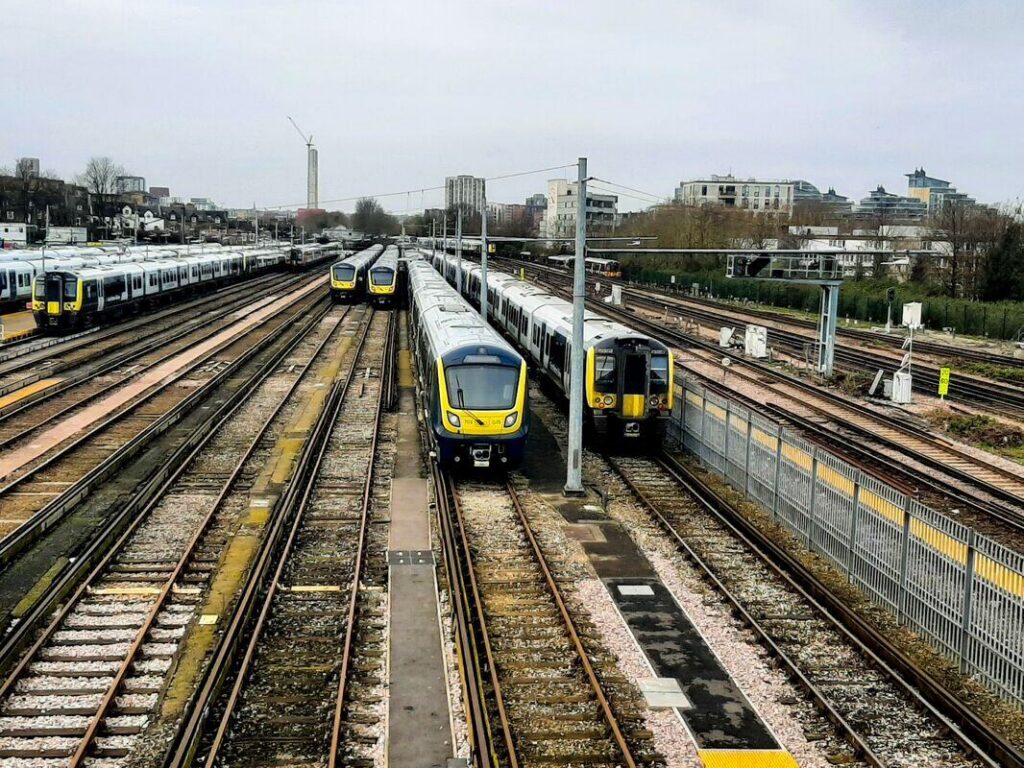
Rail safety training prepares participants to understand the hazards, procedures and responsibilities associated with working in rail environments. Depending on the course, training may cover hazard awareness, safe work practices, communication, personal protective equipment, emergency procedures and practical activities. Participants should expect a combination of theory and assessment designed to confirm their understanding and ability…
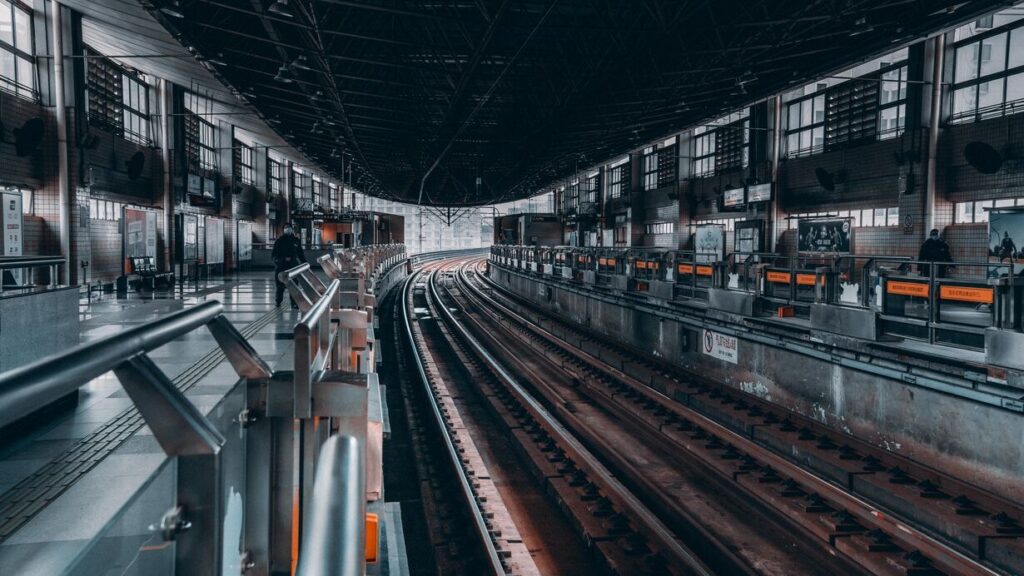
What Does a Track Protection Officer Do?
A Track Protection Officer helps protect workers from rail traffic while work is being carried out on or near the railway track. Their responsibilities can include assessing worksite risks, establishing appropriate protection arrangements, communicating with relevant rail personnel, monitoring conditions, and ensuring protection requirements are followed. The role requires strong safety awareness, communication, attention to…
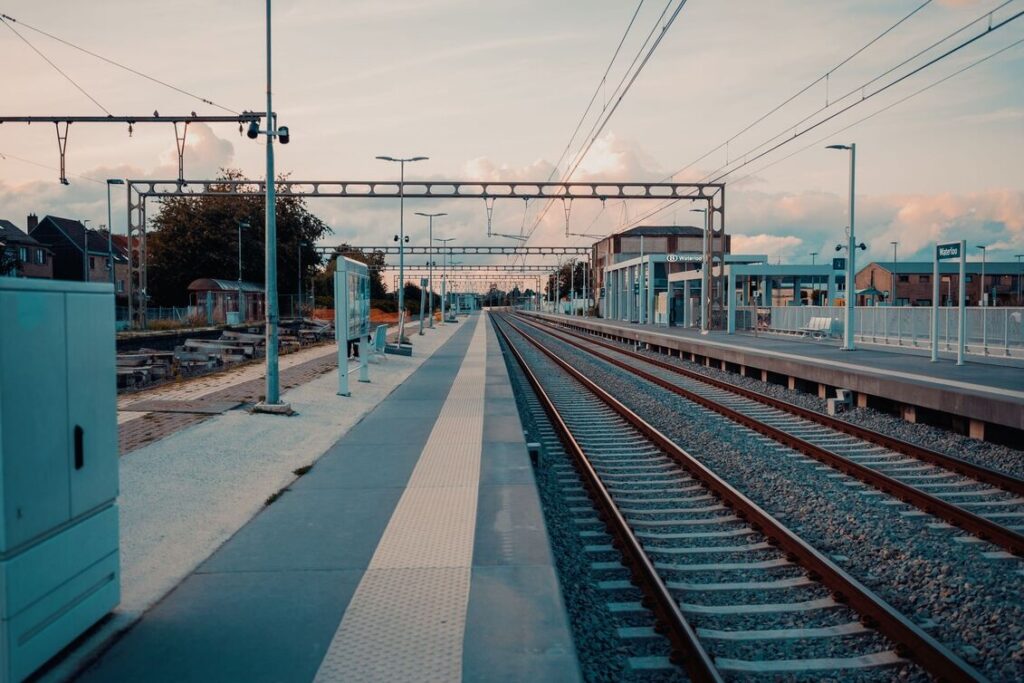
Skills That Can Help You Succeed in Rail Operations
Success in rail operations requires a combination of technical knowledge, practical skills, strong communication, situational awareness, and a commitment to safety. Rail professionals must be able to follow procedures, work effectively as part of a team, make informed decisions, and remain focused in dynamic environments. While many of these skills are developed through training and…
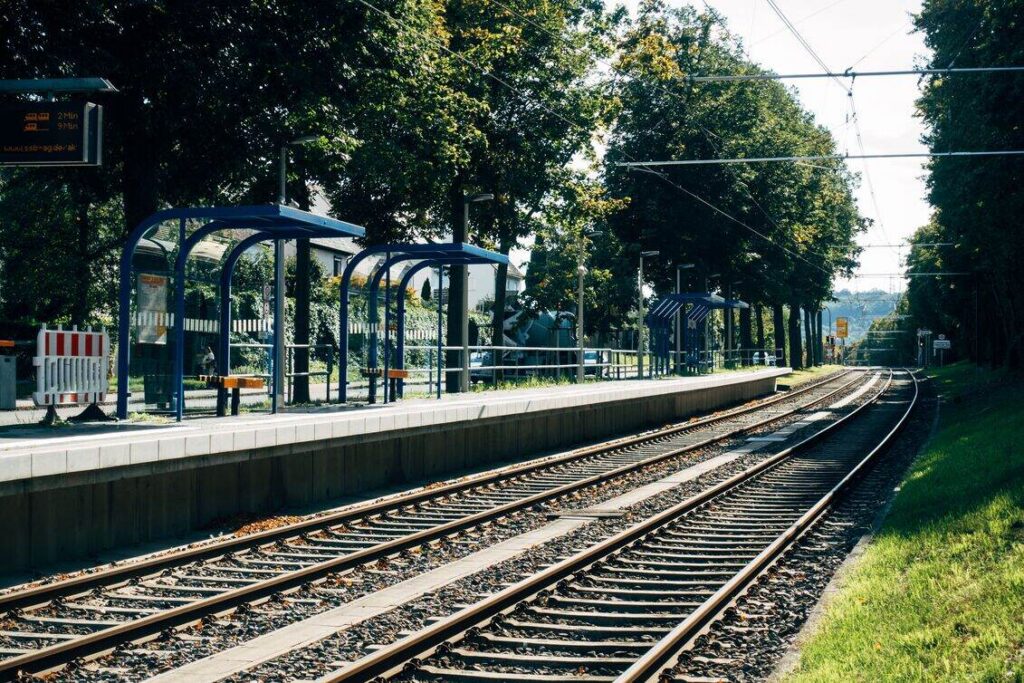
Common Questions About Rail Induction Courses
Rail induction courses introduce participants to the fundamental safety knowledge, workplace expectations, and industry practices required before working in many rail environments. These courses help learners understand rail safety principles, hazard awareness, communication requirements, and safe work responsibilities. Completing a rail induction course can help prepare individuals for working safely around rail infrastructure while supporting…
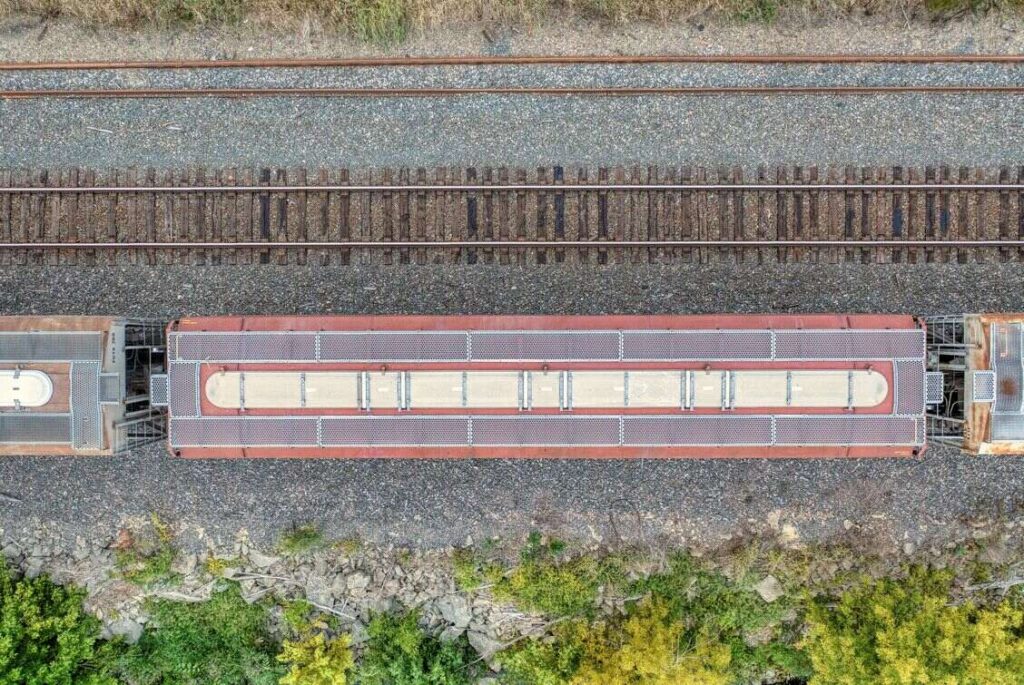
How Investigation Training Supports a Stronger Safety Culture
Investigation training helps build a stronger safety culture by teaching workers how to identify contributing factors, gather accurate information, and learn from workplace incidents. Effective investigations focus on understanding why an event occurred rather than assigning blame. By improving investigation skills, rail professionals can help identify opportunities to reduce future risks, strengthen safety practices, and…
Why Rail Professionals Should Understand Asset Management
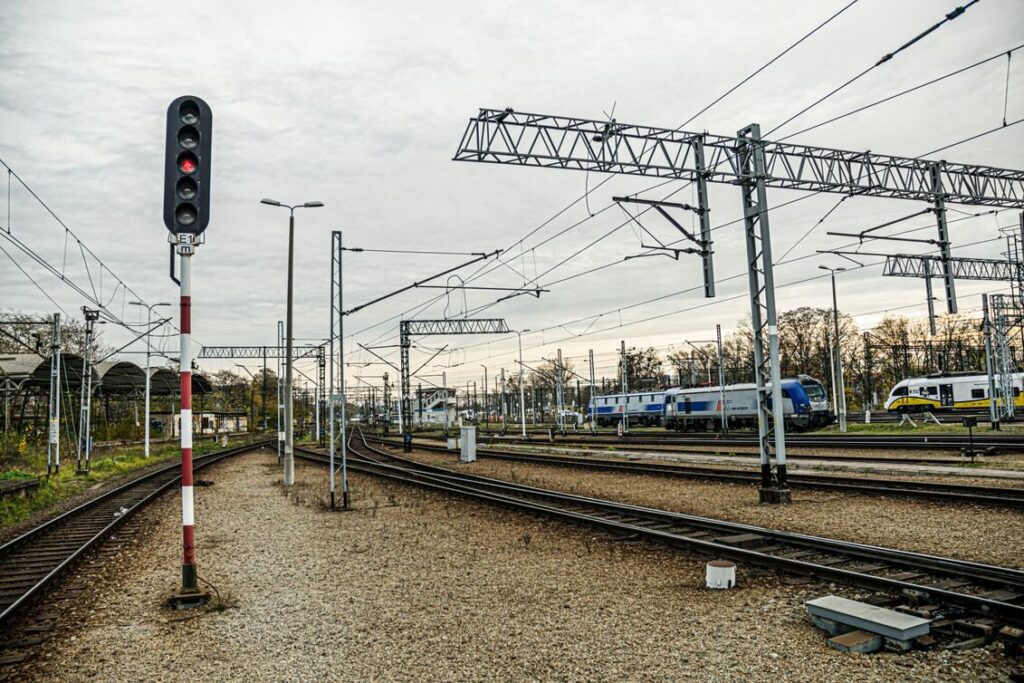
Understanding asset management helps rail professionals make informed decisions that support safety, reliability, and the long-term performance of rail infrastructure and equipment. Asset management involves maintaining, monitoring, inspecting, repairing, and planning for the lifecycle of physical assets such as tracks, signalling systems, rolling stock, bridges, and other rail infrastructure. A basic understanding of asset management…
Preparing for Leadership Opportunities in the Rail Industry
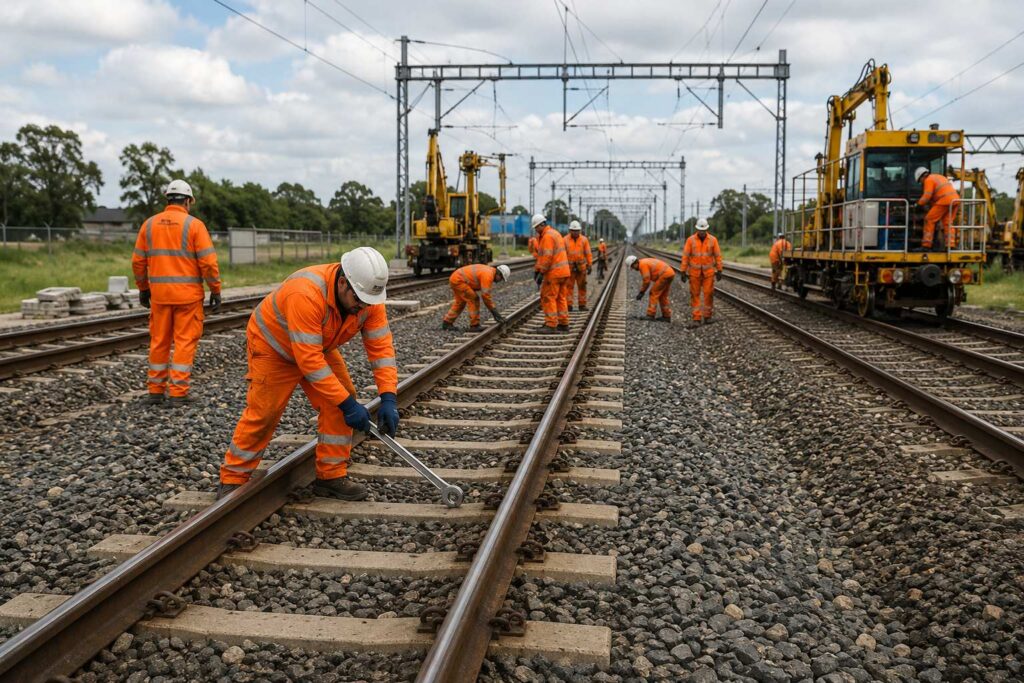
Preparing for leadership opportunities in the rail industry involves developing strong technical knowledge, communication skills, decision-making abilities, and a commitment to safety. Leadership roles require more than industry experience, they also demand professionalism, teamwork, adaptability, and the ability to support others. Ongoing training and practical learning can help rail professionals build the knowledge and confidence…
Why Wearing the Correct PPE Matters During Training
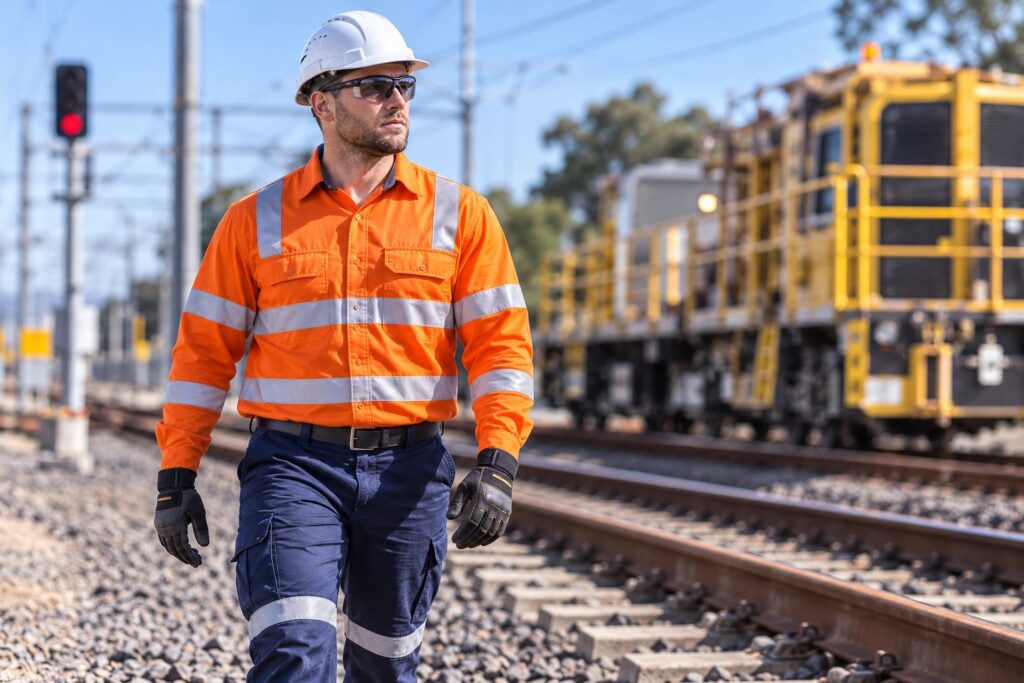
Wearing the correct personal protective equipment (PPE) during training helps reduce the risk of injury, supports safe learning environments, and prepares students for real workplace expectations. PPE such as high-visibility clothing, safety footwear, hard hats, gloves, eye protection, and hearing protection may be required depending on the training activities being undertaken. Developing the habit of…