Understanding the Different Types of Train Operations
Train operations in Australia include passenger rail, freight rail, light rail, heavy haul, shunting and maintenance-related rail movements. Each type serves a different purpose and involves specific equipment, operating procedures and safety requirements. Passenger operations focus on transporting people, while freight and heavy haul services move goods and bulk materials. Shunting involves moving and arranging rail vehicles within designated areas, and maintenance-related operations support railway infrastructure. Appropriate training, communication, technical knowledge and network-specific competency are important for performing these activities safely.
Australia’s rail industry supports the movement of millions of passengers and large quantities of freight across metropolitan, regional and remote areas. From busy suburban train networks to long-distance freight services, different types of train operations contribute to the country’s transport infrastructure. Although these operations share fundamental rail safety principles, their purposes, equipment, working environments and operational requirements can differ significantly.
What Are Train Operations?
Train operations refer to the activities involved in moving, controlling, coordinating and managing trains and other rail vehicles across railway networks. These activities can include preparing rail vehicles for service, operating trains, managing movements, communicating with network control personnel and following applicable safeworking procedures. Train operations also depend on the condition and availability of railway infrastructure, including tracks, signalling systems, points, communications equipment and other assets. Different operating environments require different competencies. A worker involved in metropolitan passenger services may have responsibilities that differ considerably from those of someone working in freight, heavy haul or shunting operations.
Passenger Train Operations
Passenger train operations involve transporting people between stations and destinations. These services can operate within metropolitan areas, between regional communities or across longer distances. Passenger operations place particular emphasis on safe train movements, reliable services, passenger management and coordination with network personnel. Train drivers need to understand the operating requirements of their network and the rolling stock they are authorised to operate. Other workers, including station personnel, operational controllers and maintenance teams, also contribute to the safe and reliable delivery of passenger services. Operating passenger trains requires specialised technical knowledge, situational awareness and a strong understanding of rail safety procedures. How Train Driver Training Supports Rail Safety explains how appropriate training helps drivers develop the skills needed to operate trains safely and respond to changing conditions.
Metropolitan Passenger Rail
Metropolitan passenger rail systems commonly operate in densely populated urban areas. These networks often involve frequent services, numerous stations and complex signalling and operational arrangements. Train crews may need to manage regular station stops, changing operating conditions and communication with network control personnel. Because services can operate close together, following established procedures and maintaining situational awareness are particularly important. Workers need appropriate training and competency for the network, rolling stock and responsibilities involved.
Regional and Long-Distance Passenger Rail
Regional and long-distance passenger services connect cities, towns and communities across larger geographical areas. These operations can involve extended journeys, different types of rolling stock and routes with varying infrastructure and operating conditions. Workers may encounter different signalling arrangements, environmental conditions and operational requirements compared with metropolitan services. Maintaining concentration, understanding route requirements and communicating effectively are important aspects of these operations. The training required depends on the specific role, rail network and equipment being operated.
Freight Train Operations
Freight train operations focus on transporting goods and materials between locations. Rail freight is an important part of Australia’s logistics system, supporting the movement of agricultural products, containers, manufactured goods and other commodities. Freight services may operate between ports, distribution centres, industrial facilities and regional areas. These operations can involve long trains, substantial loads and different braking and handling characteristics. Train crews need to understand the relevant operating procedures and the characteristics of the rail vehicles they are authorised to operate. Freight operations also require coordination between train crews, network personnel, terminal workers and other logistics professionals.
Heavy Haul Train Operations
Heavy haul operations are a specialised form of freight rail transport. They commonly involve moving large quantities of bulk materials, such as iron ore and coal, using trains designed to carry substantial loads. These operations are particularly important in Australia’s mining and resources industries. Heavy haul trains can be significantly longer and heavier than many passenger services, creating different operational considerations. Train handling, braking performance, load characteristics and infrastructure conditions all influence how these services are managed. Workers involved in heavy haul operations require appropriate technical knowledge and competency for the equipment and network on which they operate.
Light Rail Operations
Light rail systems provide passenger transport using rail vehicles that commonly operate within urban environments. Depending on the network, light rail vehicles may travel along dedicated corridors, through road intersections or in areas shared with other road users. This creates operating conditions that can differ from conventional heavy rail. Light rail drivers and operational personnel may need to remain particularly aware of pedestrians, cyclists, road vehicles and changing traffic conditions. Communication, hazard awareness and compliance with network-specific operating procedures are essential. Light rail systems also require infrastructure maintenance and appropriate worksite protection when activities take place on or near operational tracks.
Shunting Operations
Shunting involves moving, positioning and arranging rail vehicles within locations such as yards, terminals, depots and sidings. These movements may be required when assembling trains, separating wagons, positioning rolling stock or preparing vehicles for other activities. Although shunting movements may occur over relatively short distances, they can involve significant safety risks. Workers may operate around moving rail vehicles, coupling equipment, points and other yard activities. Clear communication and coordination are important because several workers may be involved in the same movement. Shunting duties require the appropriate competency, procedures and authorisation for the particular workplace and network.
Rail Yard and Terminal Operations
Rail yards and terminals support the preparation, movement and handling of trains and rolling stock. Activities can include arranging rail vehicles, coordinating movements, inspecting equipment and supporting freight loading or unloading. These environments may involve rail traffic operating near road vehicles, mobile plant and other workers. Managing interactions between different activities is an important safety consideration. Personnel need to understand the local operating arrangements and follow instructions relevant to their responsibilities. Some yard and terminal roles require specialised competencies beyond foundational rail safety training.
Maintenance-Related Train Operations
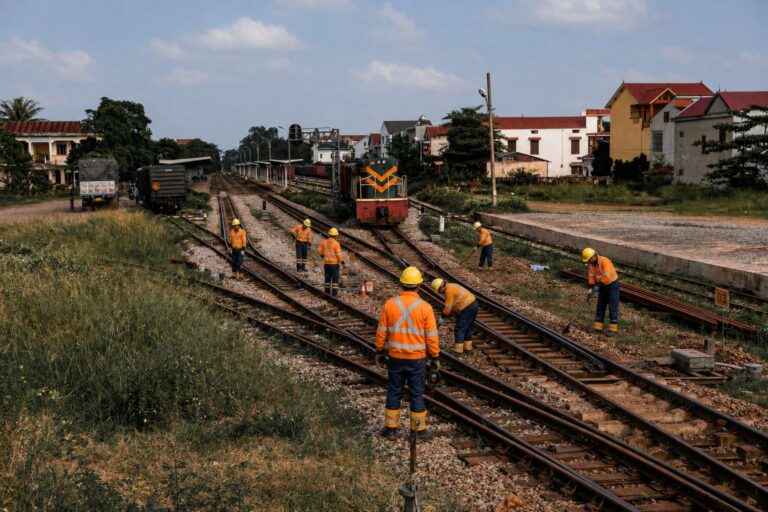
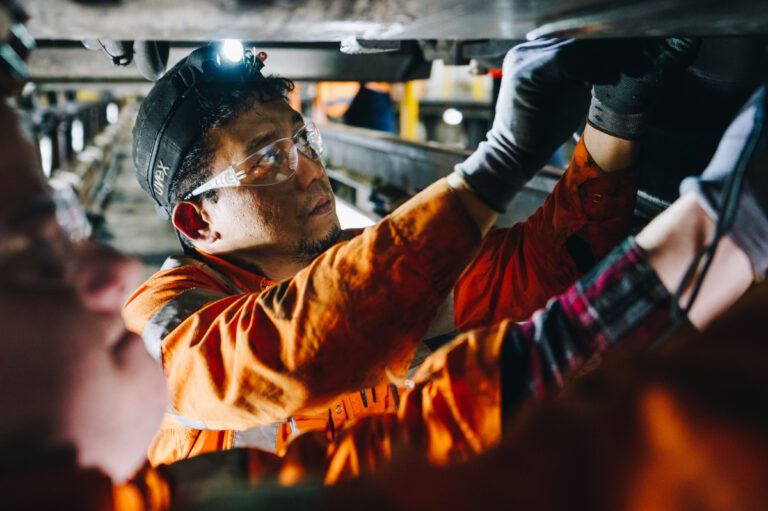
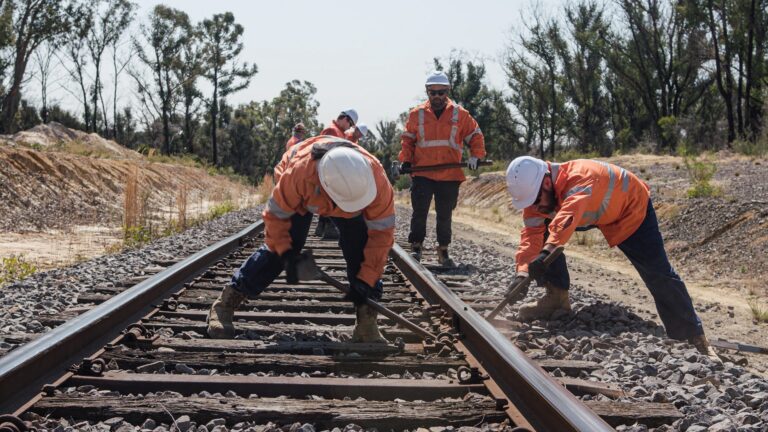
Railway infrastructure needs regular inspection, maintenance and renewal. Some maintenance activities involve specialised rail vehicles, track machines or other equipment that operates on railway infrastructure. These movements can occur within designated work areas or under specific safeworking arrangements. Depending on the equipment and task, workers may need competencies relating to track vehicle operation, worksite protection or other specialised functions. Maintenance-related movements must be coordinated with the applicable network requirements. Workers should not assume that equipment can enter or move along a railway simply because maintenance work is taking place.
Heritage and Tourist Rail Operations
Heritage and tourist railways provide services focused on historical preservation, recreation and visitor experiences. These operations may use older locomotives, carriages or other rolling stock that differs from equipment used on modern passenger and freight networks. Although their purpose may be recreational, they still involve rail safety responsibilities. Workers and volunteers may need training, competency and authorisation relevant to the railway and equipment involved. Operating historic rolling stock can also require specialised technical knowledge. The requirements depend on the railway’s operating environment, applicable safety management arrangements and the duties being performed.
How Do Train Operations Differ?
The main differences between train operations relate to their purpose, equipment, environment and operating requirements. Passenger operations focus on transporting people, often according to established service schedules. Freight operations involve moving goods, while heavy haul services specialise in transporting substantial bulk loads. Light rail operates within particular urban environments, and shunting focuses on positioning and arranging rail vehicles. Maintenance-related operations support infrastructure activities, while heritage railways may operate specialised historic equipment. Despite these differences, all operations depend on competent personnel, clear communication and adherence to applicable safety procedures.
Australia’s rail industry includes several types of train operations, each serving a different transport or infrastructure purpose. Passenger rail connects people and communities, freight and heavy haul operations transport goods and bulk materials, and light rail supports urban passenger travel. Shunting, yard activities and maintenance-related movements also contribute to the functioning of railway networks. Although these operations differ in equipment, environments and responsibilities, they share a need for competent personnel, effective communication and consistent compliance with rail safety procedures. The different types of train operations also create a wide range of employment and professional development opportunities. Career Pathways in Australia’s Rail Industry explores the roles and training pathways available for people interested in building a career across Australia’s rail sector.
-
Understanding the Value of ARISO Certified Rail Training
ARISO-certified rail training provides rail professionals with industry-recognised learning that supports competency, professional development, and alignment with current rail industry standards. Certification demonstrates that…
-
How to Become Certified for NSW Rail Jobs
In an increasingly unstable job market, one sector continues to thrive: the rail transportation industry. So, are you interested in getting certified for one…
-
Prepare for post-COVID Projects in Victoria
Victorian COVID-19 restrictions have caused many projects to reduce workforce capacity to 25% or less. As restrictions are eased, more opportunities will arise as…