A Beginner’s Guide to Line Handsignalling in the Rail Industry
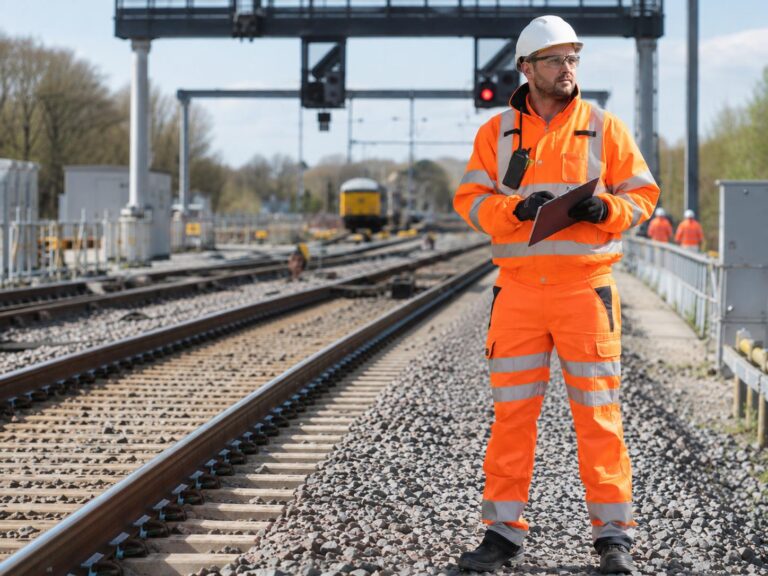
Line handsignalling is a rail safety function used to communicate instructions to rail traffic in situations where handsignallers form part of the applicable safeworking arrangements. A trained handsignaller may perform lookout duties, provide approved signals and help support worksite protection. The role requires concentration, clear communication, situational awareness and strict adherence to network rules and procedures. Training helps participants understand their responsibilities and practise the skills required for handsignalling duties. Exact requirements, signals and authorisations vary between Australian rail networks.
Railways rely on clear communication and carefully controlled procedures to keep workers and rail traffic safe. While signalling systems play a major role in managing rail movements, there are circumstances where trained workers may also be required to communicate with rail traffic through approved handsignalling methods. For someone new to the industry, line handsignalling can appear straightforward. However, the role involves much more than displaying a signal. Handsignallers operate within established safeworking arrangements and need to understand their responsibilities, the conditions around them and the rules applying to the particular rail network.
What Is Line Handsignalling?
Line handsignalling involves using approved visual signals to communicate information or instructions to rail traffic in accordance with the rules and procedures of the relevant rail network. A handsignaller may be positioned at a designated location as part of an established protection arrangement. Depending on the network, competency and circumstances, duties may include communicating with rail traffic, performing lookout functions or supporting the protection of people working on or near railway tracks.
The exact way hand signalling is performed varies between networks. This is why workers need appropriate training and should never rely solely on knowledge gained from another rail environment. Understanding the purpose behind the signals is just as important as knowing how to perform them.
Why Is Handsignalling Used?
Rail maintenance, construction, inspections and other activities sometimes need to take place around operational rail infrastructure. These activities require appropriate controls to manage interactions between workers and rail traffic. Handsignallers can form part of these controls in circumstances specified by the relevant network rules.
Their role is to provide clear and recognised visual communication to rail traffic while working within established safeworking arrangements. This helps relevant personnel maintain a shared understanding of what is happening around the worksite. Because handsignalling can influence safety-critical activities, signals must be given accurately and only by workers who have the appropriate competency and authority.
What Does a Line Handsignaller Do?
The responsibilities of a handsignaller depend on the rail network, the worker’s competency and the protection arrangements in place. A handsignaller may be required to take up an assigned position, maintain awareness of approaching rail traffic and provide approved signals according to applicable procedures. Some handsignaller competencies may also incorporate lookout duties or different handsignalling functions.
Before beginning their duties, the worker needs to understand the relevant worksite arrangements and instructions. Once in position, they must remain focused and carry out their responsibilities consistently. A handsignaller should not change established arrangements independently or perform duties beyond their competency. If circumstances become unclear or change unexpectedly, the appropriate network and workplace procedures need to be followed.
Understanding Lookout Duties
Lookout duties are closely associated with some areas of handsignaller training and rail worksite protection. A lookout performs a specific function within an established protection arrangement. The worker needs to maintain attention and respond to rail traffic or other relevant conditions in accordance with applicable procedures. This requires considerable concentration. A lookout should not become distracted by unrelated work or assume that conditions will remain unchanged simply because the worksite has been quiet. For beginners, learning about lookout responsibilities can reinforce one of the most important principles of rail safety: maintaining awareness is an active and continuous responsibility.
Clear Communication Is Essential
Good communication is fundamental throughout the rail industry, and handsignalling is no exception. Visual signals need to be clear, deliberate and consistent with the requirements of the network. Handsignallers may also need to receive instructions and communicate with other rail personnel as part of their duties.
Safety-critical information should never be based on assumptions. If instructions are unclear, workers should seek clarification through the appropriate channels. Training helps participants understand the importance of accurate communication and why established terminology and procedures need to be followed consistently. These communication skills can also be valuable as workers progress into other rail roles.
Situational Awareness and Concentration
A handsignaller needs to remain aware of what is happening around them throughout their duties. Rail worksites can change. Rail traffic may approach, workers or equipment may move and environmental conditions can affect visibility or other aspects of the worksite. Situational awareness means recognising these conditions and understanding how they relate to the responsibilities being performed.
Concentration is therefore an important attribute for a handsignaller. Distraction, fatigue or complacency can reduce a person’s ability to maintain awareness, which is particularly concerning in a safety-critical environment. Developing disciplined work habits during training can help participants understand the level of focus expected in the role.
Following Rail Network Rules
Australian rail networks can have different safeworking systems, procedures, terminology and competency requirements. For this reason, becoming competent or experienced in handsignalling on one network does not necessarily mean a worker can immediately perform the same duties on another. Workers need to understand the requirements of the network on which they intend to operate and hold the appropriate competencies and authorisations. This network-specific approach helps ensure workers understand how handsignalling fits into the broader safeworking arrangements used in their particular environment. It also reinforces why rail workers should always operate within the limits of their competency. Handsignalling requirements can differ between rail networks, which is why workers need training that reflects the procedures and competencies of the environment in which they will operate. For an example of network-specific safeworking training, read What to Know About UGLRL Safeworking Training, which covers Handsignaller, Protection Officer and other safeworking pathways on the UGL Regional Linx network.
What Skills Does a Handsignaller Need?
Line handsignalling requires both practical capability and strong professional behaviours. Attention to detail is important because workers need to interpret instructions and apply procedures accurately. Clear communication helps ensure information is conveyed and understood correctly, while situational awareness allows workers to remain alert to their surroundings.
Reliability and professionalism also matter. Handsignallers need to arrive prepared for their responsibilities and maintain concentration for the period during which they are performing the role. A strong commitment to safety ties all these attributes together. Effective handsignallers understand that procedures exist for a reason and avoid shortcuts even when a task becomes familiar.
What Can You Expect During Handsignaller Training?
Handsignaller training is designed to develop the knowledge and practical skills required for the relevant competency and network. Participants can generally expect to learn about the role and responsibilities of a handsignaller, applicable safety principles, communication, lookout functions where relevant and the procedures associated with performing handsignaller duties.
Training may combine theoretical instruction with practical exercises and assessment. The exact format depends on the course and network requirements. Practical learning is particularly valuable because it gives participants an opportunity to apply what they have learned rather than simply memorising information. Assessment is used to determine whether the participant can demonstrate the required knowledge and skills against the relevant competency requirements.
Competency Does Not Mean Unlimited Authority
An important distinction for new rail workers is the difference between completing training and being authorised to perform particular duties. A training outcome demonstrates competency against specified requirements, but rail infrastructure managers and employers may have additional requirements before a worker can undertake certain duties on their network.
These could involve network-specific training, inductions, medical requirements, competency management or other authorisation processes. Workers should therefore understand exactly what their training allows them to do and what additional requirements apply to their intended workplace. Working within these limits is an important part of professional rail safety.
Maintaining and Developing Your Skills
Learning in the rail industry does not necessarily stop after initial handsignaller training. Depending on the network and competency, workers may need to maintain currency or complete recertification at specified intervals. Changes to procedures, roles or networks can also create a need for further learning.
Ongoing training helps workers refresh their knowledge and demonstrate that they continue to meet applicable requirements. Experience gained through handsignalling can also provide useful exposure to communication, situational awareness and worksite protection principles that may support further professional development. Workers interested in progressing should consider the competencies and experience required for the particular rail roles they want to pursue.
Handsignalling as Part of a Broader Rail Safety System
It is important to understand that a handsignaller does not work in isolation. Handsignalling operates within broader safeworking arrangements involving competent workers, network procedures, communication systems and other risk controls. This means a handsignaller needs to understand not only their individual task but also how their responsibilities interact with the wider protection arrangements. Developing this broader understanding can help beginners appreciate why rail training places such a strong emphasis on procedures, communication and personal responsibility. Every worker contributes to rail safety by performing their assigned duties correctly and communicating when something is unclear or conditions change.
Building a Foundation for a Career in Rail
For people entering the rail industry, handsignalling training can help develop valuable safety-related knowledge and practical skills. Participants can strengthen their understanding of rail environments while developing communication, observation, concentration and procedural discipline. As experience grows, some workers may pursue additional competencies in safeworking, worksite protection or other areas of rail operations. The appropriate pathway depends on the rail network, employer requirements, existing competencies and the individual’s career goals. Rather than viewing handsignalling as simply a standalone task, it can be understood as one part of the wider knowledge and experience required to work safely around rail infrastructure. Handsignalling can also provide a foundation for developing broader safeworking competencies over time. Learn more in A Career in Safeworking with UGL Regional Linx, which explores progression from entry-level handsignalling roles into areas such as Protection Officer and Track Vehicle Operator responsibilities.
-
Protection Officer Responsibilities Explained
A Protection Officer helps protect workers from rail traffic while work is carried out on or near railway tracks. Key responsibilities can include assessing…
-
7 Tips to Help You Get the Most Out of Your Rail Training
Getting the most out of your rail training involves being prepared, actively participating, asking questions, practising your skills, and maintaining a strong commitment to…
-
Victorian Government supports new Goldfields Railway Joint Venture
CERT Training Victoria will soon commence a joint venture with Victorian Goldfields Railway, the Mount Alexander Shire Council, Bendigo and District Aboriginal Co-operative, to…