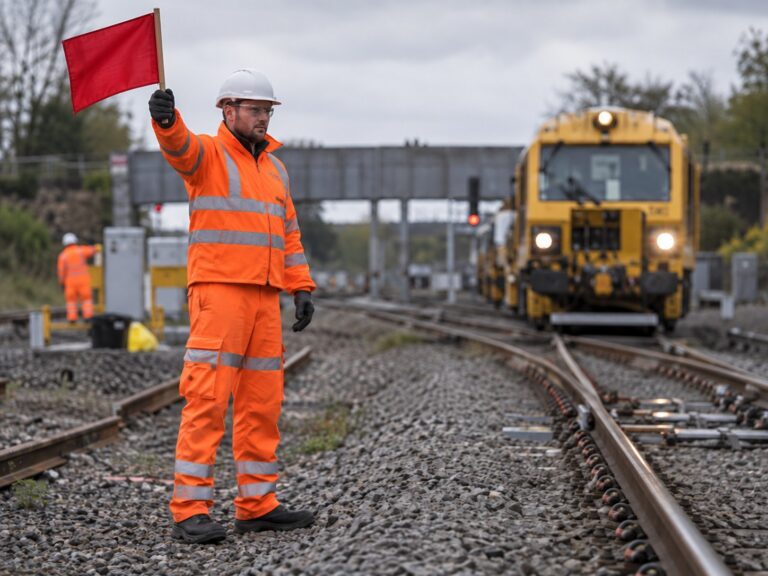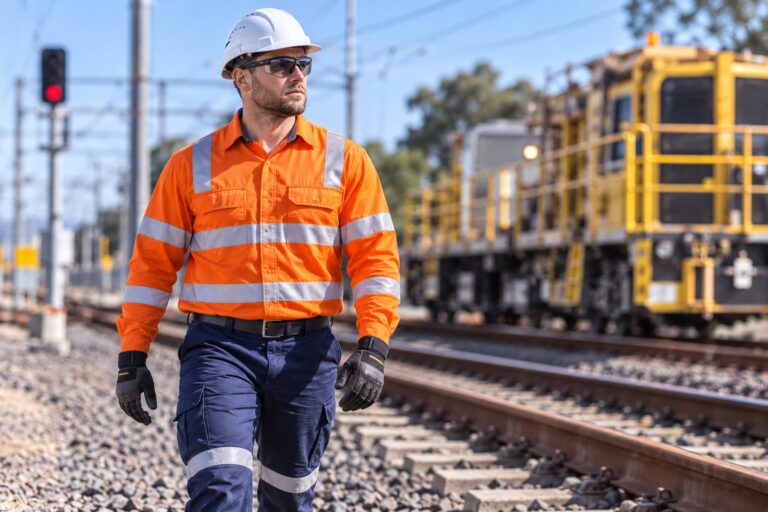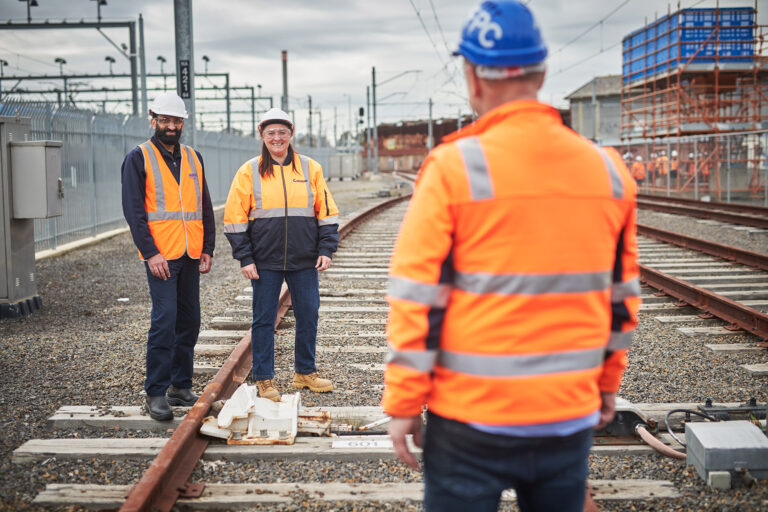
Who Needs Safely Access the Rail Corridor Training?
Safely Access the Rail Corridor training is designed for people who need to enter and work in or around a rail corridor as part of their job. This can include rail workers, contractors, maintenance personnel, construction workers and others whose duties require authorised rail corridor access. The training develops essential knowledge about rail hazards, safe access, communication and workplace responsibilities. Exact training, medical, induction and competency requirements can vary between rail networks and roles, so workers should confirm the requirements that apply to their intended workplace.
Understanding Rail Corridor Access Training
Australia’s rail corridors are safety-critical environments. They can contain moving trains, heavy equipment, electrical infrastructure, construction activities and other hazards that may not be encountered in an ordinary workplace. For this reason, people cannot assume that general workplace experience is enough to prepare them for working around rail infrastructure. Safely Access the Rail Corridor training provides foundational knowledge for people whose work requires them to enter a rail corridor. It helps participants understand the hazards they may encounter, their responsibilities while in the rail environment and the importance of following applicable network and workplace procedures. But who actually needs this training, and what should you know before enrolling?
What Is Safely Access the Rail Corridor Training?
Safely Access the Rail Corridor training is based around the nationally recognised unit TLIF0020 Safely Access the Rail Corridor. The unit is designed to provide the skills and knowledge required to safely enter and navigate the rail corridor while following applicable procedures and instructions. For many people entering Australia’s rail industry, this type of training can form part of their foundational rail safety knowledge. It is important, however, to understand that completing the unit does not provide unrestricted access to every rail network or authorise a person to perform all types of rail work. Network-specific inductions, medical requirements, additional competencies or other authorisations may also apply.
Rail Workers Entering the Industry
People starting their first job in the rail industry are among those who may need Safely Access the Rail Corridor training. A new rail worker may have experience in construction, transport, mining, electrical work or another industry but still be unfamiliar with the specific hazards associated with a rail corridor. Training introduces participants to fundamental rail safety principles before they begin carrying out relevant duties in these environments. Developing this knowledge early can help new workers establish good safety habits and understand the expectations associated with working around operational rail infrastructure.
Contractors Working Within Rail Corridors
Rail projects frequently involve contractors from a wide range of industries. Construction companies, engineering businesses, telecommunications providers and other specialist contractors may need personnel to enter the rail corridor while completing project work. Even if a contractor is highly experienced in their particular trade, working within a rail environment introduces additional risks and responsibilities. Where rail corridor access training is required for their duties, workers need to understand these hazards before entering the worksite. Additional role-specific, site-specific or network-specific requirements may also apply. This ensures technical expertise in one field is supported by appropriate awareness of the rail environment.
Rail Construction Workers
Major rail infrastructure projects can involve large teams carrying out earthworks, track construction, station upgrades and other activities. Workers involved in these projects may need to enter or move through designated areas of the rail corridor. Safely Access the Rail Corridor training can provide foundational knowledge for eligible workers whose responsibilities require this type of access. The training helps participants understand that rail construction sites differ from ordinary construction environments. Rail traffic, track infrastructure and network-specific controls can introduce hazards that require additional awareness. Workers must also understand the boundaries of their role and follow the protection arrangements established for the worksite.
Maintenance Personnel
Maintaining Australia’s rail infrastructure requires people to work across tracks, stations and other network assets. Track maintenance personnel and other workers may need to enter rail corridors to complete inspections, repairs, servicing or planned maintenance. These workers need to understand how to access the corridor safely and follow the procedures that apply while they are there. Rail corridor access training provides a foundation for this understanding. Depending on the maintenance activity, additional technical competencies, safeworking qualifications or network authorisations may be required. Safe access should therefore be viewed as a starting point rather than a complete qualification for every maintenance role.
Tradespeople Working on Rail Projects
Rail projects can require electricians, plumbers, plant operators, communications technicians and other qualified tradespeople. A trade qualification demonstrates competency within that trade, but it does not automatically provide the knowledge required to work safely within a rail corridor. Where their work requires rail corridor access, tradespeople may need relevant rail safety training in addition to their existing qualifications. This distinction is important because the hazards encountered in a rail environment can differ significantly from those found on a conventional construction or commercial site. Workers need to understand both the technical requirements of their trade and the safety requirements of the environment in which they are performing it.
People Performing Inspections and Technical Work
Not everyone entering a rail corridor is carrying out construction or maintenance. Engineers, surveyors, inspectors and other technical personnel may also need access to rail environments to complete assessments, collect information or support infrastructure projects. Although their time within the corridor may be limited, the hazards remain significant. Where required for their duties, appropriate rail corridor access training helps these professionals understand how to enter and navigate the environment safely while complying with applicable instructions and procedures. The specific access requirements should always be confirmed with the relevant employer or rail infrastructure manager.
What Will You Learn?
Safely Access the Rail Corridor training focuses on the knowledge and skills needed to enter and move through rail environments safely. Participants can expect to develop an understanding of common rail hazards, workplace safety responsibilities and the importance of following established access procedures. Training can also address situational awareness, communication and the need to follow directions from relevant rail safety personnel. A key learning outcome is recognising that conditions within a rail corridor can change. Workers need to remain aware of their surroundings throughout their time in the environment rather than assuming that an area remains safe simply because conditions were suitable when they entered.
Understanding Rail Corridor Hazards
Hazard awareness is fundamental to safe rail corridor access. Rail traffic is an obvious concern, but it is not the only potential hazard. Depending on the network and location, workers may encounter electrical infrastructure, moving plant, uneven ground, construction activities, noise and other work groups. The specific hazards present can vary significantly between locations. Training helps participants develop a mindset of identifying and responding to hazards rather than relying on assumptions. Workers also learn the importance of complying with the controls established for the particular worksite and reporting concerns through the appropriate channels. Some rail corridors include electrical infrastructure that introduces additional hazards and safety requirements for workers. Learn more in Understanding the Risks of Working in Electrified Rail Territory, which explains electrical hazards, required clearances, changing worksite conditions and the importance of following network procedures.
Is Safely Access the Rail Corridor Training Enough for a Rail Career?
Safely Access the Rail Corridor training can provide valuable foundational knowledge, but many rail roles require additional competencies. Someone pursuing work in track protection, handsignalling, train operations, infrastructure maintenance or other specialised areas may need further training appropriate to those responsibilities. Experience, employer requirements, network rules, medical standards and competency management can also influence career pathways. Rail corridor access training should therefore be viewed as one component of broader professional development rather than a qualification for every rail role.
Building a Foundation for Further Rail Training
For people beginning a career in rail, safely accessing the corridor can be an important foundational capability. Once workers have developed an understanding of basic rail corridor safety, they may pursue further training appropriate to their intended responsibilities. This could involve hand signalling, worksite protection, safeworking or other specialised areas depending on the network and career pathway. Each additional competency brings its own responsibilities and requirements. Building skills progressively allows rail professionals to develop a broader understanding of the industry while maintaining a strong focus on working within their competency and authority.
Safely Access the Rail Corridor training is relevant to people whose work requires them to enter and navigate rail corridor environments. This can include new rail workers, contractors, construction personnel, maintenance teams, tradespeople and technical professionals, depending on their duties and the requirements of the relevant rail network. The training provides foundational knowledge about rail hazards, safe access, communication, situational awareness and workplace responsibilities. However, completing the training does not automatically authorise someone to access every rail network or undertake specialised rail duties. Workers who develop their foundational rail safety knowledge may later pursue specialised competencies based on their role and network requirements. A Beginner’s Guide to Line Handsignalling in the Rail Industry explains how handsignalling builds further skills in communication, situational awareness and rail safeworking.
-
A Beginner’s Guide to Line Handsignalling in the Rail Industry
Line handsignalling is a rail safety function used to communicate instructions to rail traffic in situations where handsignallers form part of the applicable safeworking…
-
Why Wearing the Correct PPE Matters During Training
Wearing the correct personal protective equipment (PPE) during training helps reduce the risk of injury, supports safe learning environments, and prepares students for real…
-
RIW Card Course: Safely Access the Rail Corridor
Working close to trains is exhilarating. However, there are ongoing health and safety protocols you will need to follow to keep yourself and others safe. Hence, courses like the mandatory Safely Access the Rail Corridor (RIW card course) are important.