Protection Officer Responsibilities Explained
A Protection Officer helps protect workers from rail traffic while work is carried out on or near railway tracks. Key responsibilities can include assessing worksite risks, determining appropriate protection arrangements, communicating with rail personnel, briefing work groups, monitoring conditions and ensuring protection requirements are followed. Protection Officers must remain alert, communicate clearly and work within their competency and authority. Exact duties, protection methods and authorisations vary between rail networks, roles and competency levels, making appropriate training and network-specific knowledge essential.
Understanding the Protection Officer Role
Working on or near railway tracks introduces risks that require carefully planned and controlled protection arrangements. Maintenance crews, contractors, construction workers and other personnel may need to perform tasks within environments where rail traffic is operating or could potentially operate. Protection Officers play an important part in managing these risks. Their responsibilities centre on helping establish and maintain appropriate protection for work groups in accordance with the rules and procedures applying to the relevant rail network.
The role requires technical knowledge, strong communication, situational awareness and the ability to follow established processes consistently. Protection Officer duties are not identical across every Australian rail network. Different rail infrastructure managers can use different competency structures, terminology and protection methods. Workers must therefore understand the requirements applying to the network and role in which they are operating.
What Is a Protection Officer?
A Protection Officer is a competent rail safety worker responsible for protection-related duties associated with work being undertaken on or around railway infrastructure. Depending on the network and level of competency, a Protection Officer may assess the work being undertaken, determine or implement appropriate protection arrangements, communicate with relevant rail personnel and coordinate protection requirements with the work group. The role carries significant responsibility because decisions relating to worksite protection can directly affect worker safety. Protection Officers must therefore understand the limits of their competency and authority. They should never perform protection duties for which they are not appropriately trained, competent or authorised.
Assessing the Worksite
One of the fundamental responsibilities associated with worksite protection is understanding the conditions surrounding the proposed work. Before work begins, relevant hazards need to be identified and the planned activity considered in relation to the rail environment. This may involve considering where the work will take place, how close workers will be to railway tracks, whether rail traffic is operating and what other activities or hazards may affect the worksite. Conditions can differ considerably between locations. A protection arrangement appropriate for one situation should not automatically be assumed to suit another. Careful assessment helps ensure decisions are based on the actual worksite rather than assumptions.
Identifying Rail Safety Risks
Protection Officers need strong hazard and risk awareness. Rail traffic is one of the most obvious hazards, but it may not be the only factor affecting worksite protection. Depending on the location and activity, workers may also encounter plant and equipment, electrical infrastructure, adjacent tracks, restricted visibility and other work groups. Environmental conditions may also affect the worksite. The Protection Officer needs to understand which hazards are relevant to their responsibilities and how the applicable network rules and procedures require those risks to be managed. This is one reason situational awareness is such an important part of protection work. Protection Officers need to recognise a wide range of hazards while maintaining awareness of changing worksite conditions. For a closer look at one particularly important risk, read Understanding the Risks of Working in Electrified Rail Territory, which covers electrical infrastructure, safe clearances, changing conditions and network-specific requirements.
Establishing Appropriate Protection Arrangements
Once the work activity and applicable risks have been understood, appropriate protection arrangements need to be established in accordance with the relevant network requirements. Rail networks may provide different protection methods for different circumstances. Which method can be used depends on factors such as the type of work, location, rail traffic, network rules and the competency held by the Protection Officer. A Protection Officer should not simply select the method that appears easiest or most familiar. The applicable rules and procedures need to guide the decision, and the worker must remain within the authority provided by their competency. Correctly establishing protection is a critical responsibility and requires a thorough understanding of the relevant safeworking system.
Briefing the Work Group
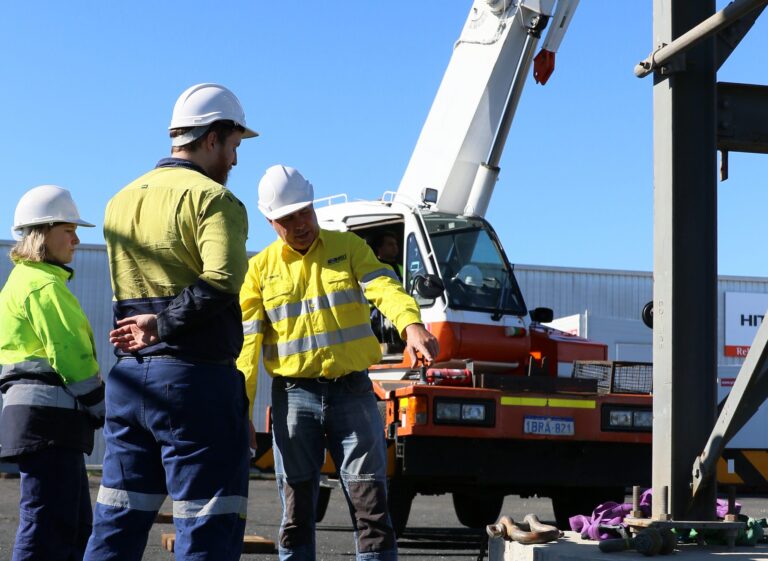
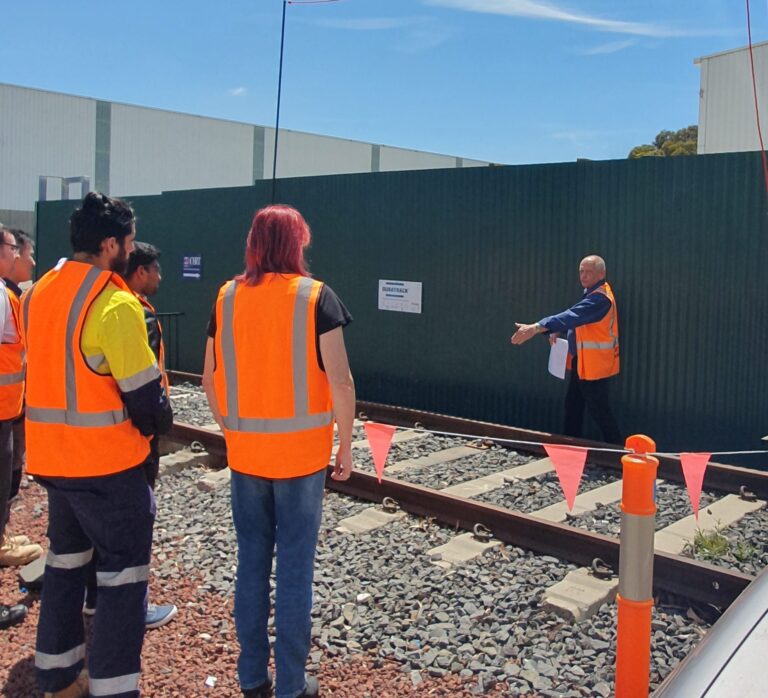
Workers need to understand the protection arrangements applying to the worksite before they begin their activities. A Protection Officer may be responsible for providing relevant safety information to the work group. Depending on network procedures and the work arrangements, this can include explaining protection boundaries, relevant hazards, conditions affecting the work and what workers need to do if circumstances change. The objective is to ensure people understand the arrangements under which they are expected to work. A briefing should not be treated as a formality. Workers should have an opportunity to clarify information they do not understand. Clear briefings can help establish shared expectations before work begins.
Confirming Protection Before Work Starts
Workers should not enter or begin work in areas requiring protection simply because preparations appear to be complete. Protection Officers need to follow the applicable process for establishing and confirming protection before work proceeds. This distinction is important because assumptions can create serious risks in rail environments. A quiet track should not automatically be considered safe, and the absence of visible rail traffic does not mean that established protection requirements can be ignored. Protection needs to be managed according to the relevant network rules and procedures. Professional Protection Officers understand the importance of completing these processes correctly rather than rushing to begin work.
Monitoring Conditions Throughout the Work
A Protection Officer’s responsibilities do not necessarily end once the work group starts its task. Rail worksites are dynamic environments. Work activities can change, rail traffic conditions may alter, equipment may move, and environmental conditions can affect visibility or other aspects of the worksite. Protection Officers need to remain aware of relevant changes and understand whether they affect the established arrangements. If circumstances no longer match those considered when protection was established, the appropriate procedures need to be followed. Continuous monitoring helps ensure protection remains suitable for the conditions under which work is actually occurring.
Managing Changes to the Work
A work group may occasionally need to change its planned activity. The location could shift, additional equipment might be introduced, or the scope of work could expand. Changes such as these may affect existing protection arrangements. Workers should not assume that protection established for the original task automatically covers the changed activity. The Protection Officer needs to understand what has changed and apply the relevant network procedures before affected work proceeds. This demonstrates why communication between the Protection Officer, supervisors and work group needs to continue throughout the activity rather than occurring only at the beginning of a shift.
Following Network Rules and Procedures
Protection Officer responsibilities are closely connected to the rules of the rail network on which the worker is operating. Australia does not have one universal set of Protection Officer arrangements that can simply be applied in exactly the same way everywhere. Requirements can vary between rail infrastructure managers and jurisdictions. A Protection Officer who moves between networks may therefore need additional training, competency recognition, induction or authorisation. Workers should never assume that experience on one network automatically allows them to perform the same duties on another. Following the requirements of the specific network is a fundamental part of professional protection work.
Working Within Your Level of Competency
Protection Officer competency can be structured into different levels or categories depending on the network. Higher levels of competency may permit workers to apply additional protection methods or manage more complex worksite arrangements. This makes understanding the limits of individual competency essential. A Protection Officer should know which duties they are permitted to perform and when another appropriately competent person is required. Training provides the knowledge and practical skills associated with a particular competency, but workers must continue to operate within the limits of their training, network requirements and workplace authority. Protection Officer competencies and responsibilities can differ considerably between rail networks, making network-specific training particularly important. What to Know About UGLRL Safeworking Training provides an example of how Protection Officer levels and other safeworking competencies are structured for workers on the UGL Regional Linx network.
Maintaining Accurate Information
Protection work can involve safety-related documentation and records. Depending on network procedures, Protection Officers may need to complete or manage information associated with worksite arrangements, briefings, authorities or other protection activities. Accuracy is important because these records can help communicate and document important information about the work. Details should be completed carefully and according to the relevant procedures. Good documentation also reflects professional discipline. Protection Officers should avoid relying on memory when procedures require information to be formally recorded or communicated.
Responding When Conditions Become Unsafe
Protection Officers need to understand what to do if conditions become unsafe or protection requirements can no longer be maintained. The appropriate response depends on the network, circumstances and protection method being used. What matters is that safety concerns are not ignored simply to keep work progressing. If established conditions cannot be maintained, the Protection Officer needs to follow the applicable procedures and communicate with relevant personnel. The ability to recognise when something is wrong and respond appropriately is an important part of the responsibility carried by the role.
Maintaining Protection Officer Competency
Initial training is only one part of maintaining professional competency. Rail networks may have requirements relating to currency, recertification, workplace experience or ongoing competency management. Protection Officers should understand when their competencies expire or require renewal and take appropriate action before undertaking duties. Procedures and network requirements can also change over time. Continuing professional development and recertification help workers refresh their knowledge and remain familiar with the expectations associated with their role.
Preparing for a Career as a Protection Officer
People interested in becoming Protection Officers should begin by identifying the requirements applying to the rail network where they intend to work. Depending on the network and competency, prerequisites may include existing rail safety units, practical experience, medical assessments or other training. Prospective participants should check current course information carefully before enrolling. Protection work can involve considerable responsibility, so individuals should also be prepared to develop strong communication, concentration and decision-making skills alongside their technical knowledge. A willingness to continue learning is particularly valuable as workers progress through different competencies and gain experience.
Protection Officers play an important role in helping protect people carrying out work on or near railway tracks. Their responsibilities can include assessing worksites, identifying relevant risks, establishing protection arrangements, communicating with rail personnel, briefing work groups and monitoring conditions throughout the activity. The exact responsibilities of a Protection Officer depend on the rail network, competency level, protection method and authority held by the individual. For this reason, appropriate training and network-specific knowledge are essential. Protection Officers also need strong communication, attention to detail, situational awareness and a commitment to following established procedures.
-
Licences for High-Risk Jobs for Rail Workers in Western Australia
For anyone looking to start their career in construction or take it to the next level in Western Australia (WA), there is one crucial…
-
Career Pathways in Australia’s Rail Industry
Australia’s rail industry offers a wide range of career pathways across operations, infrastructure, maintenance, construction, signalling, safety, and project delivery. Entry-level workers can progress…
-
Which Railway Courses Will Get You the Job You Want?
Getting a job on the railways can be the start of an amazing and adventurous career. But getting started may mean you have to…