What Is Rail Infrastructure and Why Is It Important?
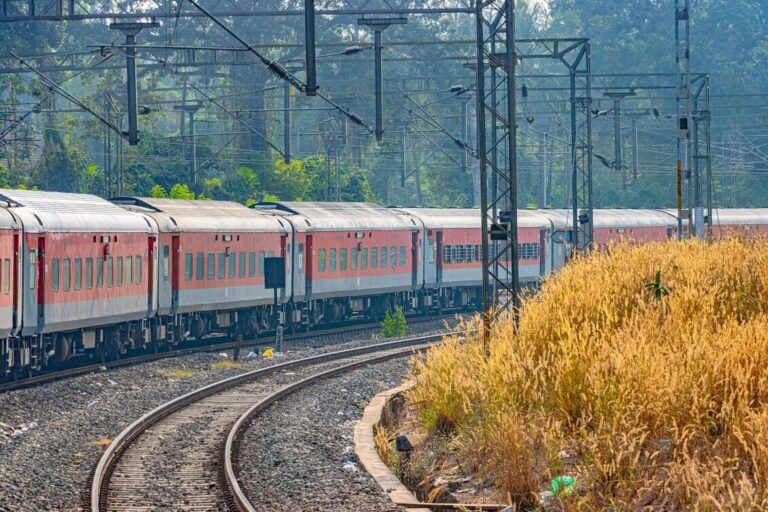
Rail infrastructure includes the physical systems and assets that allow trains and light rail vehicles to operate safely and efficiently. It can include railway tracks, sleepers, bridges, tunnels, signalling equipment, stations, level crossings, electrical systems and communication infrastructure. These assets support passenger and freight services across Australia. Rail infrastructure is important because its condition and reliability directly affect network safety, capacity and performance. Skilled rail workers help construct, inspect, maintain and manage these assets so rail networks can continue operating safely and reliably.
Australia’s rail network connects cities, regional communities, industrial areas, ports and freight terminals. Every passenger journey and freight movement depends on an extensive collection of physical assets working together. These assets are collectively known as rail infrastructure. Some rail infrastructure is easy to recognise, such as tracks, stations and railway bridges. Other systems are less visible but equally important, including signalling, communications, drainage and electrical equipment. For people considering a career in rail, understanding the basic components of rail infrastructure can provide useful context for the work performed across construction, maintenance, operations and safeworking roles.
What Is Rail Infrastructure?
Rail infrastructure is the collection of physical assets and systems used to support railway operations. The railway track itself is one of the most recognisable components, but infrastructure extends well beyond the rails. Depending on the network, it can include sleepers, ballast, points, crossings, bridges, tunnels, platforms, stations, signalling systems, electrical infrastructure and communication equipment. Each component performs a particular function within the wider network. A railway therefore operates as an interconnected system. Problems affecting one asset can influence other parts of the network, which is why inspection, maintenance and asset management are important throughout the rail industry.
Railway Tracks
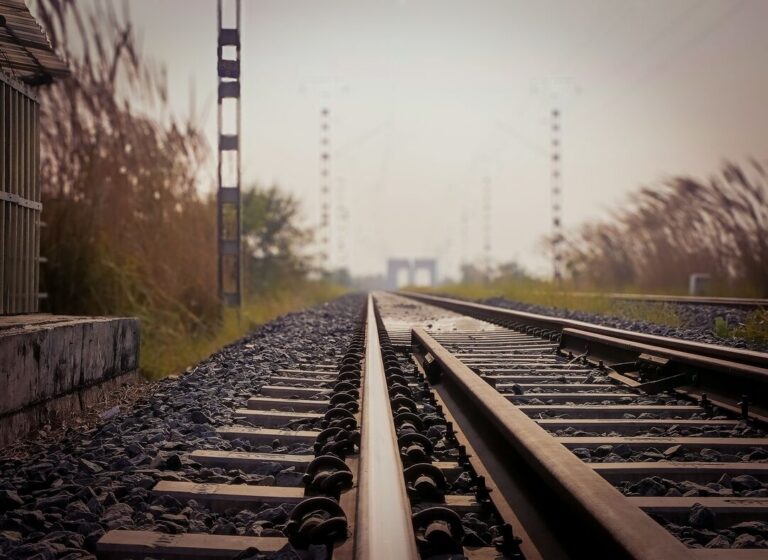
Railway tracks provide the physical path along which trains travel. Although tracks can appear relatively simple, they consist of multiple components that work together to support and guide rail vehicles. Rails provide the running surface, while sleepers help maintain the required track position and gauge. Ballast may be used to support sleepers, distribute loads and assist with drainage in conventional track structures. Track condition needs to be monitored because rail infrastructure is exposed to repeated loads, environmental conditions and normal wear. Rail workers involved in track construction and maintenance therefore play an important role in helping keep these assets suitable for continued operation.
Points and Crossings
Rail networks need trains to move between different tracks and routes. Points and crossings form part of the track infrastructure that makes these movements possible. These assets can be more mechanically complex than ordinary sections of track and need to operate correctly so rail vehicles can move through them as intended. Their condition may therefore require regular inspection and maintenance. For rail workers, understanding that different sections of infrastructure present different maintenance and operational considerations is an important part of developing broader industry knowledge.
Sleepers and Ballast
Sleepers and ballast are fundamental components of many railway track structures. Sleepers support the rails and help maintain their correct spacing. Depending on the railway, sleepers may be manufactured from materials such as concrete, timber, steel or composites. Ballast is the layer of crushed material commonly found beneath and around sleepers. It helps distribute loads, provide stability and support drainage. Over time, track components can move, deteriorate or become affected by repeated rail traffic and environmental conditions. Maintenance teams may therefore need to inspect and maintain these components as part of keeping the track in appropriate condition.
Railway Bridges and Viaducts
Railways frequently need to cross rivers, roads, valleys and other obstacles. Bridges and viaducts allow rail lines to continue across these areas while supporting the loads created by rail traffic. These structures can vary considerably in age, materials and design. Some Australian rail bridges have been operating for many decades, while newer networks may use modern concrete and steel structures. Inspection and maintenance are important because deterioration or structural problems can affect the safe operation of the railway. Workers involved in these activities need the appropriate technical skills as well as an understanding of the rail safety requirements applying to their work environment.
Rail Tunnels
Tunnels allow railways to pass beneath hills, urban areas, roads and other infrastructure. They are particularly important in locations where surface routes would be difficult or impractical. Working in or around rail tunnels can introduce additional considerations. Access may be restricted, visibility can be different from open sections of track and emergency arrangements may need to account for the enclosed environment. Depending on the network, tunnels may also contain electrical, signalling, communications and other infrastructure. Workers entering these environments need to understand the applicable hazards and follow the procedures established for the location and activity.
Signalling Infrastructure
Rail signalling systems help manage rail movements across a network. Signals and associated systems provide information that supports the controlled movement of trains. Modern rail networks can incorporate sophisticated electronic and computer-based signalling technology alongside physical trackside equipment. Signalling infrastructure may also interact with points, train detection systems and network control functions. Because signalling plays an important role in rail operations, work involving these systems requires specialised competency. Rail workers should understand the boundaries of their role and avoid interfering with signalling infrastructure unless appropriately trained and authorised.
Electrical Infrastructure
Electrified rail networks require infrastructure to provide electrical power for rail vehicles and support other network systems. Depending on the railway, traction power may be supplied through overhead wiring or other electrical systems. Substations and associated equipment can also form part of the network. Electrical rail infrastructure can present serious hazards. Workers do not necessarily need to make direct contact with electrical equipment for danger to exist, particularly around high-voltage systems. Anyone working in electrified territory needs appropriate awareness, training and authorisation for their responsibilities and must follow the applicable network procedures and electrical safety controls. Electrical systems introduce additional hazards that workers need to understand before carrying out duties around electrified rail infrastructure. Understanding the Risks of Working in Electrified Rail Territory explains key electrical risks, safe working considerations and why network-specific procedures and training are important.
Stations and Platforms
Stations are another important part of rail infrastructure. They provide locations where passengers can safely enter, leave and transfer between rail services. Station infrastructure can include platforms, shelters, lifts, stairs, pedestrian bridges, lighting, signage and accessibility facilities. Larger stations may also incorporate complex electrical, communications, security and operational systems. Maintaining these assets helps support passenger safety and accessibility while keeping facilities functional. Rail infrastructure work therefore extends beyond tracks and includes a wide variety of assets found throughout stations and surrounding areas.
Level Crossings
Level crossings occur where roads or pedestrian routes intersect railway tracks at approximately the same level. Depending on the location, crossings may incorporate warning signs, flashing lights, audible warnings, boom gates or other controls. These locations involve interaction between rail traffic, road vehicles, cyclists and pedestrians, making them an important part of the broader rail safety environment. Level crossing equipment needs to operate according to its design and network requirements. Specialised workers may be involved in inspecting and maintaining the infrastructure associated with these locations.
Rail Communication Systems
Communication infrastructure supports coordination across rail operations. Depending on the network, this can include radio systems, telecommunications equipment and other technology used by operational and safety personnel. Reliable communication is important because rail workers may need to exchange safety-critical information about rail movements, worksite protection, operational conditions and other activities. The physical infrastructure supporting these communications is therefore another important part of the rail system. Workers also need to understand how to use applicable communication systems and protocols correctly for their role.
Drainage and Earthworks
Drainage may not be the first thing people associate with rail infrastructure, but it can play an important role in protecting railway assets. Water needs to be managed around track formations, embankments, cuttings and other infrastructure. Poor drainage can contribute to erosion, instability and deterioration of track-supporting structures. Rail infrastructure can therefore include culverts, drains, channels and other water-management assets. Earthworks are equally important. Embankments and cuttings allow railway lines to maintain suitable alignments across changing terrain and need to remain stable throughout their service life.
Why Is Rail Infrastructure Important?
Rail infrastructure provides the physical foundation for railway operations. Without suitable tracks, structures, signalling, power and associated systems, passenger and freight trains could not operate as intended. Infrastructure condition can affect safety, reliability, capacity and network performance. This makes the construction, inspection and maintenance of rail assets an ongoing priority. Rather than viewing infrastructure as something that is simply built and then left in place, rail professionals need to understand that assets have lifecycles and require continued management throughout their operation.
Supporting Safe Rail Operations
Safety is one of the most important reasons rail infrastructure needs to be properly managed. Damaged, deteriorated or incorrectly maintained infrastructure can introduce risks into railway operations. Inspection and maintenance programs help identify issues so they can be assessed and managed according to applicable standards and procedures. Rail workers contribute to this process in many different ways. Track workers, engineers, signalling personnel, electrical specialists, inspectors, asset managers and other professionals each have responsibilities related to different parts of the infrastructure system. Their combined work helps support safer railway operations.
Keeping Passenger Services Moving
Millions of passenger journeys rely on rail infrastructure. Commuter, regional and long-distance services depend on tracks, stations, signalling systems and other assets being available for operation. Infrastructure problems can result in operational restrictions, disruptions or maintenance requirements. Preventative maintenance and effective asset management can help identify developing problems before they lead to larger failures. Reliable infrastructure therefore contributes not only to safety but also to the consistency and availability of passenger services.
Supporting Australia’s Freight Network
Rail infrastructure is also important to Australia’s freight and logistics industries. Freight rail helps move commodities and goods between regional areas, cities, industrial facilities and ports. Depending on the region, trains may transport agricultural products, minerals, containers and other freight over significant distances. This makes rail infrastructure an important part of broader supply chains. Maintaining freight routes helps support industries that depend on reliable transport connections between production areas and domestic or export markets.
People Behind Rail Infrastructure
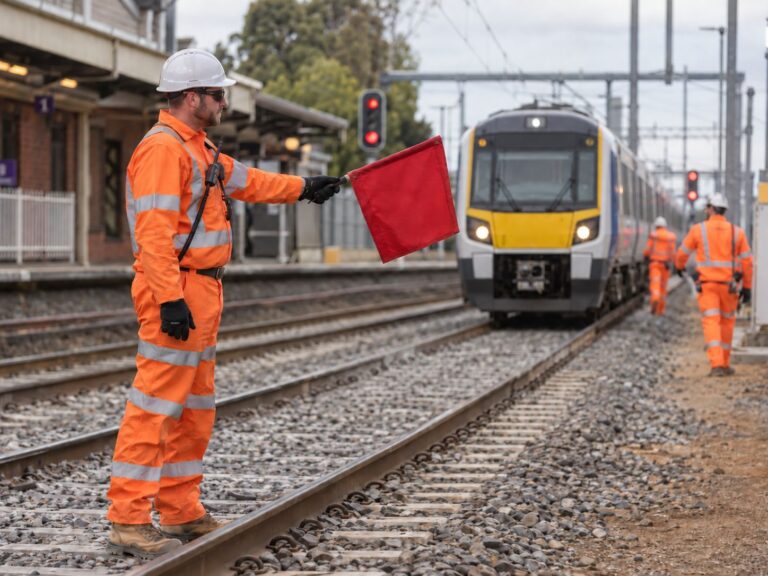
Rail infrastructure depends on people with a wide range of skills. Engineers may be involved in design and technical assessment, while construction teams build or renew infrastructure. Track workers maintain railway lines, and signalling and electrical specialists work with complex network systems. Protection Officers and other safeworking personnel can help establish arrangements that protect work groups while infrastructure activities are being carried out. Inspectors and asset management professionals monitor infrastructure condition and support maintenance planning. This variety of responsibilities means the rail infrastructure sector can provide numerous career pathways for people with different technical and professional interests.
Rail infrastructure includes the tracks, structures, signalling, electrical systems, stations, communication networks and other physical assets that make railway operations possible. These assets support passenger transport, freight movements and connections between communities and industries across Australia. Their condition and reliability can directly influence the safety and performance of the rail network. Maintaining rail infrastructure requires people with diverse technical skills, supported by appropriate rail safety knowledge and training. For anyone considering a career in the industry, understanding how rail infrastructure works as an interconnected system can provide valuable context for the responsibilities and career opportunities available across Australia’s rail sector. Managing rail assets also requires an understanding of how infrastructure condition, maintenance and lifecycle planning affect network performance. Why Rail Professionals Should Understand Asset Management explores why asset management knowledge is valuable for people working across rail infrastructure, maintenance and operational roles.
-
Career Pathways in Australia’s Rail Industry
Australia’s rail industry offers a wide range of career pathways across operations, infrastructure, maintenance, construction, signalling, safety, and project delivery. Entry-level workers can progress…
-
What Is a Unit of Competency in Rail Training?
A unit of competency is a nationally recognised set of skills and knowledge required to perform a particular workplace activity to an expected standard….
-
What Is the Role of a V/Line Handsignaller in a Rail Worksite?
A V/Line Handsignaller performs safety-related duties that help manage rail traffic around worksites on Victoria’s V/Line network. Depending on their competency and the protection…