Career Pathways in Australia’s Rail Industry
Australia’s rail industry offers a wide range of career pathways across operations, infrastructure, maintenance, construction, signalling, safety, and project delivery. Entry-level workers can progress into specialised, supervisory, or management roles through training, experience, and ongoing professional development. As rail networks expand and infrastructure investment continues, the industry provides opportunities for individuals seeking long-term careers in a safety-focused and essential sector. Understanding the available pathways can help workers identify opportunities that align with their skills, interests, and career goals. Australia’s rail industry is one of the country’s most important transport sectors.
It supports the movement of passengers, freight, resources, and essential goods across metropolitan, regional, and remote areas. From large-scale infrastructure projects to day-to-day rail operations, the industry relies on a diverse workforce with a broad range of skills and expertise. As governments and industry continue investing in rail infrastructure, demand for skilled workers remains strong across many areas of the sector. This creates opportunities for people entering the workforce, changing careers, or seeking to advance within the industry. One of the advantages of the rail sector is the variety of career pathways available.
Why Choose a Career in the Rail Industry?
The rail industry plays a critical role in Australia’s economy and transport network. It provides essential services that support communities, businesses, and industries across the country. For many workers, the industry offers the opportunity to build a long-term career in a sector that values safety, teamwork, technical skills, and ongoing learning. Rail careers can involve working on major infrastructure projects, maintaining critical transport networks, supporting freight operations, or helping deliver passenger services.
The industry also offers a variety of work environments, from metropolitan rail corridors and stations to regional rail networks and large infrastructure construction sites. This diversity allows workers to pursue career paths that suit their interests and strengths. As rail networks continue to expand and modernise, new opportunities are emerging across a range of disciplines and specialisations.
Entry-Level Opportunities
Many people begin their rail careers in entry-level positions that provide exposure to rail environments, safety procedures, and operational requirements. These roles often involve supporting rail construction, maintenance, infrastructure works, or operational activities under the guidance of experienced personnel. Entry-level positions can provide valuable experience while helping workers develop an understanding of industry expectations and workplace practices.
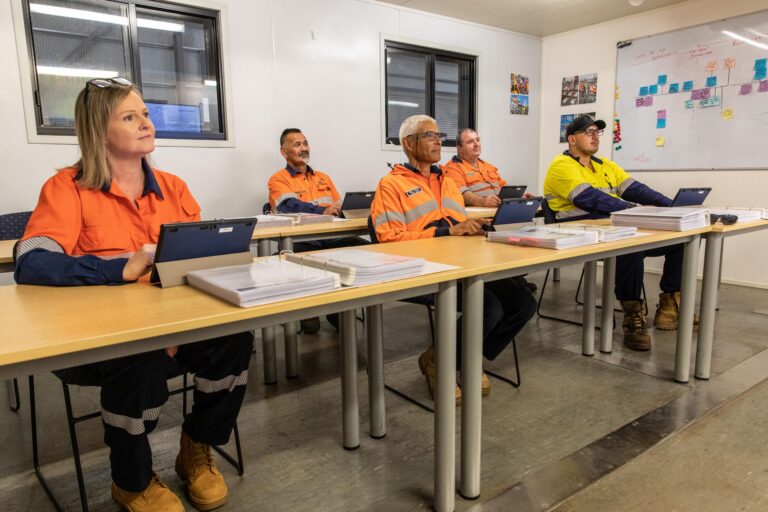
Training plays an important role at this stage. Workers are introduced to rail safety principles, site access requirements, communication procedures, and other essential skills required to operate safely within rail environments. For individuals looking to establish a career in the rail sector, entry-level opportunities can provide a strong foundation for future progression. Those considering their first role in the industry may find it helpful to learn more about how to become a rail industry worker and the training pathways available.
Rail Infrastructure and Construction Pathways
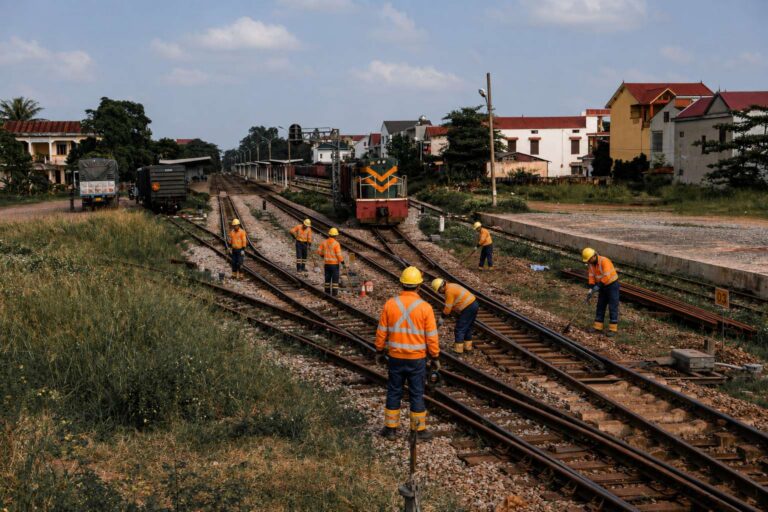
Australia continues to invest heavily in rail infrastructure projects, creating demand for workers involved in construction, upgrades, maintenance, and network expansion. Careers within rail infrastructure may involve supporting track construction, civil works, rail corridor maintenance, site preparation, and project delivery activities. These roles often appeal to individuals who enjoy practical, hands-on work and operating within dynamic project environments.
As workers gain experience, they may progress into specialised positions with greater responsibilities. Opportunities may also arise to move into supervisory or coordination roles that oversee project activities and workforce management. Infrastructure and construction pathways can provide exposure to some of Australia’s largest transport projects while offering opportunities for ongoing skill development.
Rail Operations Careers
Rail operations focus on the safe and efficient movement of trains and the coordination of activities across the network. Operational roles contribute to maintaining service reliability, ensuring compliance with procedures, and supporting the day-to-day functioning of rail systems. These positions often require strong communication skills, attention to detail, and a commitment to safety.
Individuals working in operational environments may develop expertise in managing processes, coordinating activities, and responding to changing operational requirements. With experience and additional training, workers may progress into more senior operational or leadership positions. For those who enjoy working in structured environments where safety and precision are critical, rail operations can offer rewarding career opportunities.
Maintenance and Asset Management Roles
Maintaining rail infrastructure and equipment is essential to the ongoing performance and safety of the network. Maintenance personnel help ensure that rail assets remain operational, reliable, and compliant with industry requirements. This area of the industry often attracts individuals with practical skills, strong attention to detail, and an interest in technical work.
Maintenance pathways can involve a wide variety of responsibilities, from routine inspections and preventative maintenance through to more specialised technical activities. As workers gain experience and additional qualifications, opportunities may become available in planning, coordination, supervision, and asset management functions. These pathways offer long-term career prospects while supporting the safe operation of Australia’s rail networks.
Safety and Compliance Careers
Safety is at the centre of everything that occurs within the rail industry. As a result, there are numerous career opportunities focused on safety management, compliance, and risk reduction. Workers in safety-related roles help ensure that procedures are followed, hazards are identified, and regulatory requirements are met.
These positions contribute significantly to protecting workers, passengers, contractors, and the broader community. Individuals with strong communication skills, attention to detail, and an interest in workplace safety may find safety-focused careers particularly rewarding. As experience grows, opportunities may arise to take on greater responsibilities relating to safety leadership, compliance management, auditing, and workforce training.
Signalling and Technical Specialisations
Modern rail networks rely on sophisticated systems and technologies to support safe and efficient operations. Technical career pathways may involve working with specialised systems, communications technologies, signalling infrastructure, or other critical rail assets. These roles often require advanced knowledge, technical competence, and ongoing professional development.
As technology continues to evolve, demand for workers with specialised technical skills is expected to remain important across the industry. For individuals who enjoy problem-solving, technology, and continuous learning, technical specialisations can provide engaging and rewarding career opportunities.
Leadership and Management Opportunities
Many rail professionals progress into leadership positions as they gain experience and develop their skills. Leadership roles may involve supervising teams, coordinating projects, managing resources, overseeing safety performance, or contributing to strategic decision-making. These positions often require strong communication, organisational, and people-management capabilities.
Career progression into leadership is often supported through a combination of practical experience, industry knowledge, and ongoing training. Workers who demonstrate initiative, professionalism, and a commitment to continuous improvement may find opportunities to advance into management positions throughout their careers. Leadership pathways allow experienced rail professionals to influence projects, support workforce development, and contribute to the future success of the industry.
Importance of Training and Professional Development
Training is a key component of career growth within the rail sector. As workers progress through different stages of their careers, ongoing learning helps ensure they remain current with industry requirements, safety standards, and emerging technologies. Professional development can support both career advancement and workforce adaptability.
Whether pursuing additional qualifications, specialised skills, or leadership capabilities, continuous learning helps workers remain competitive and prepared for new opportunities. Practical training is particularly valuable because it allows learners to apply knowledge in realistic environments while building confidence and workplace competence. Individuals who invest in their development are often better positioned to take advantage of career opportunities as they arise. Understanding the difference between upskilling and reskilling in the rail industry can also help workers choose the most suitable pathway for achieving their long-term career goals.
Building a Long-Term Career in Rail
One of the strengths of the rail industry is the diversity of career pathways available. Workers can begin in entry-level positions and progress into specialised technical roles, operational careers, safety functions, project delivery positions, or leadership opportunities. The industry rewards commitment, professionalism, and a willingness to learn.
As infrastructure investment continues and workforce needs evolve, individuals who continue developing their skills may find a wide range of opportunities available throughout their careers. Whether your interests lie in practical field work, technical systems, operational environments, or leadership roles, the rail industry offers multiple pathways for professional growth and long-term career success.
Australia’s rail industry offers a broad range of career pathways across infrastructure, operations, maintenance, safety, technical specialisations, and leadership. With ongoing investment in rail projects and transport networks, the sector continues to create opportunities for individuals seeking rewarding and sustainable careers.
-
Statement of Attainment vs Certificate
Is a Statement of Attainment (SoA) or a nationally recognised qualification better for your career as a rail industry worker?
-
Understanding the Value of ARISO Certified Rail Training
ARISO-certified rail training provides rail professionals with industry-recognised learning that supports competency, professional development, and alignment with current rail industry standards. Certification demonstrates that…
-
Skills That Can Help You Succeed in Rail Operations
Success in rail operations requires a combination of technical knowledge, practical skills, strong communication, situational awareness, and a commitment to safety. Rail professionals must…