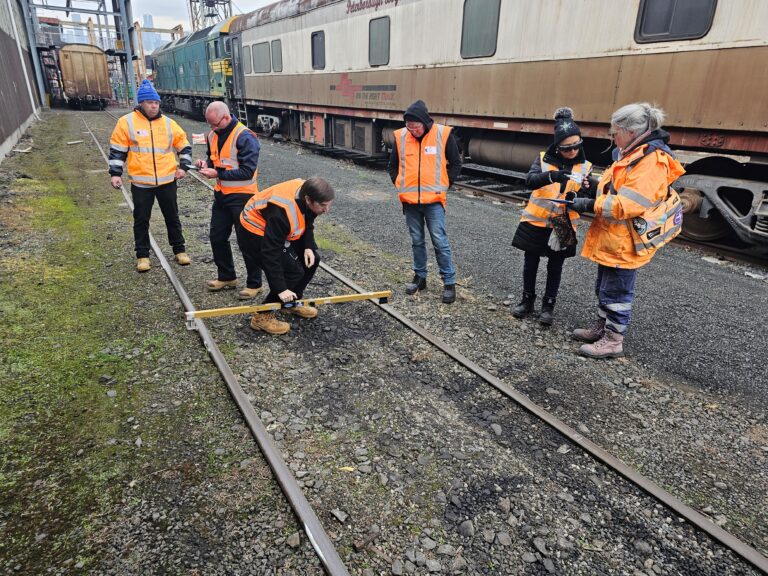
How Investigation Training Supports a Stronger Safety Culture
Investigation training helps build a stronger safety culture by teaching workers how to identify contributing factors, gather accurate information, and learn from workplace incidents. Effective investigations focus on understanding why an event occurred rather than assigning blame. By improving investigation skills, rail professionals can help identify opportunities to reduce future risks, strengthen safety practices, and support continuous improvement across rail operations. Safety is at the heart of Australia’s rail industry.
Every task, procedure, and decision contributes to protecting workers, passengers, contractors, and the wider community. While strong planning and risk management help prevent incidents, no workplace can eliminate every potential hazard. When incidents or near misses occur, they present an opportunity to learn. Understanding what happened, why it happened, and how similar events can be prevented is an essential part of improving workplace safety. This is where investigation training plays an important role.
Investigation training equips rail professionals with the knowledge and skills to examine incidents methodically, gather reliable information, identify contributing factors, and recommend practical improvements. Rather than focusing on blame, effective investigations help organisations strengthen their systems, improve decision-making, and reinforce a positive safety culture.
What Is Investigation Training?
Investigation training provides participants with structured approaches to examining workplace incidents, hazards, and near misses. Depending on the workplace and the nature of the investigation, training may cover topics such as evidence collection, interviewing techniques, documenting findings, identifying contributing factors, analysing information, and preparing investigation reports. The objective is not simply to determine what happened but to understand why it happened and what improvements can reduce the likelihood of similar events occurring in the future. These skills are valuable across many rail roles where safety, compliance, and continuous improvement are priorities.
Understanding Safety Culture
A safety culture reflects the attitudes, behaviours, and values that influence how people approach health and safety in the workplace. In organisations with a strong safety culture, workers understand their responsibilities, communicate openly about risks, follow established procedures, and actively contribute to improving workplace safety. Learning from incidents is an important part of maintaining this culture. Instead of viewing investigations as administrative requirements, successful organisations see them as opportunities to strengthen systems and improve future performance. Investigation training supports this mindset by encouraging objective thinking, evidence-based decision-making, and a commitment to continuous improvement.
Moving Beyond Blame
One of the most important principles of effective investigations is focusing on learning rather than assigning blame. Workplace incidents are often influenced by multiple contributing factors. These may include environmental conditions, communication issues, equipment failures, procedural gaps, human factors, or organisational processes. Investigation training encourages participants to examine the broader circumstances surrounding an event instead of concentrating solely on individual actions. This approach helps identify meaningful improvements that can strengthen workplace systems and reduce future risks. When workers understand that investigations are intended to improve safety rather than punish individuals, they are often more willing to report incidents and participate openly in the investigation process.
Improving Hazard Identification
Strong investigation skills support better hazard identification. During investigations, participants learn how to examine workplaces carefully, recognise contributing factors, and understand how hazards interact with people, equipment, and work processes. These observation skills often extend beyond formal investigations. Workers who develop a structured approach to identifying hazards are generally better equipped to recognise potential risks during everyday activities and report concerns before incidents occur. This proactive mindset contributes to safer workplaces and reinforces continuous risk management.
Supporting Better Decision-Making
Effective investigations rely on accurate information and objective analysis. Investigation training teaches participants to gather evidence systematically, verify information, consider multiple perspectives, and avoid making assumptions before reaching conclusions. These analytical skills support stronger decision-making not only during investigations but also throughout everyday rail operations. Workers who understand how to assess situations carefully are often better prepared to manage risks, prioritise actions, and contribute to safe operational outcomes. Developing these critical thinking skills benefits individuals across a wide range of rail industry roles.
Strengthening Communication
Successful investigations depend on effective communication. Gathering reliable information often requires interviewing people respectfully, listening carefully, asking appropriate questions, and documenting findings accurately. Investigation training helps participants develop these communication skills while encouraging professionalism, fairness, and objectivity throughout the investigation process. Good communication also supports stronger teamwork by ensuring investigation findings and recommended improvements are shared clearly with relevant personnel. Open communication helps organisations learn from incidents and apply those lessons more effectively.
Turning Findings Into Improvements
The value of an investigation lies in the actions that follow. Once contributing factors have been identified, organisations can review procedures, improve training, modify equipment, strengthen supervision, or introduce additional controls where appropriate. Investigation training helps participants understand how recommendations should focus on practical improvements that reduce future risks. Rather than simply documenting what occurred, effective investigations create opportunities for meaningful change. This ongoing process of learning and improvement is a defining characteristic of strong safety cultures.
Supporting Compliance and Good Governance
The rail industry operates within a highly regulated environment where organisations are expected to manage risks and maintain safe systems of work. Investigation training supports these responsibilities by helping personnel conduct consistent, well-documented, and objective investigations when required. Accurate documentation and evidence-based findings contribute to organisational learning while supporting sound governance and continual improvement. Understanding recognised investigation processes also helps ensure that lessons learned can be effectively incorporated into future safety planning.
Building Leadership Capability
Investigation skills are valuable not only for safety specialists but also for supervisors, team leaders, managers, and experienced rail professionals. Leaders are often responsible for responding to incidents, supporting investigations, communicating with teams, and implementing improvements arising from investigation findings. Developing investigation knowledge strengthens leadership capability by improving analytical thinking, communication, problem-solving, and decision-making. These skills support effective leadership while reinforcing a positive workplace safety culture. Strong investigation skills can also help experienced workers prepare for greater responsibilities within their teams. Our article, Preparing for Leadership Opportunities in the Rail Industry, explores how communication, decision-making, safety awareness and professional development can help rail professionals build their leadership capabilities.
Encouraging Continuous Learning
Every investigation represents an opportunity to learn. Even when no injury occurs, near misses and minor incidents can provide valuable information about potential hazards, workplace systems, or operational processes. Investigation training encourages workers to view these events as learning opportunities rather than isolated occurrences. Continuous learning helps maintain high safety standards across the rail industry. Learning from incidents is just one part of maintaining and strengthening professional capability throughout a rail career. Read our article, Why Ongoing Training Matters for Experienced Rail Workers, to learn how continuous training can help workers maintain safety standards, keep their skills current and adapt to changes across the rail industry.
Why Investigation Skills Matter Across the Rail Industry
Many people associate investigations only with major incidents, but investigation principles have much broader applications. Workers involved in maintenance, construction, infrastructure, operations, supervision, and safety all benefit from understanding how investigations contribute to better workplace outcomes. Recognising contributing factors, documenting observations accurately, and supporting continuous improvement are valuable skills regardless of a person’s specific role. A workforce that understands investigation principles is better equipped to contribute to safer operations, stronger communication, and more effective risk management.
Investigation training plays an important role in building and maintaining a strong safety culture within the rail industry. Understanding how and why incidents occur allows organisations to strengthen systems, improve procedures, and reduce future risks. At the same time, individuals develop valuable analytical, communication, and problem-solving skills that enhance their professional capability. As Australia’s rail industry continues to evolve, investigation training remains an important part of creating workplaces where learning, accountability, and safety are embedded in everyday operations.
-
Why Practical Learning Matters in Rail Industry Training
Practical learning is essential in rail industry training because it helps learners develop the skills, confidence, and safety awareness needed to work in real…
-
RISSB Derailment Investigation and Analysis Workshop
Investigating a derailment is a complex process. Investigations must be conducted in a structured and thorough manner to correctly identify the causes of derailment…
-
How Train Driver Training Supports Rail Safety
Train driver training plays a critical role in rail safety by preparing drivers to operate trains safely, follow procedures, recognise hazards, and respond appropriately…