7 Tips to Help You Get the Most Out of Your Rail Training
Getting the most out of your rail training involves being prepared, actively participating, asking questions, practising your skills, and maintaining a strong commitment to safety. Rail training combines theory with practical learning to prepare students for real workplace environments. By staying engaged throughout your course and making the most of every learning opportunity, you can build confidence, strengthen your skills, and improve your readiness for a career in Australia’s rail industry.
Starting rail training is an exciting step towards building a career in one of Australia’s most important industries. Whether you’re entering the rail sector for the first time or developing new skills to advance your career, the effort you put into your training can have a significant impact on your future success. Rail training is about much more than completing assessments or obtaining a qualification.
It is designed to help you develop the knowledge, practical skills, and professional behaviours needed to work safely and effectively in rail environments. Every lesson, practical activity, and discussion contributes to preparing you for the expectations of the industry. Here are seven practical tips to help you get the most out of your rail training.
1. Arrive Prepared and Ready to Learn
One of the simplest ways to make the most of your training is to arrive prepared for every session. Being organised helps you focus on learning rather than worrying about forgotten materials or last-minute issues. Before attending training, make sure you know the schedule, bring any required documentation or equipment, and allow enough time to arrive without feeling rushed. Being prepared also includes getting enough rest before training and maintaining a positive attitude towards learning. Rail training often covers important safety information and practical activities that require concentration and active participation. Starting each day prepared allows you to engage fully with the course and make the most of every learning opportunity.
2. Take Safety Seriously
Safety is the foundation of Australia’s rail industry, and your training is the ideal place to develop safe work habits. Every procedure, instruction, and practical exercise has been designed to reinforce the importance of working safely in rail environments. Paying close attention during safety discussions and following instructions carefully will help you build habits that can benefit you throughout your career. Treat every practical activity as though you are already working on a live rail site. Developing a safety-first mindset during training helps prepare you for real workplace expectations and demonstrates professionalism from the beginning of your rail journey.
3. Participate Actively During Training
Learning is most effective when you actively participate. Rather than simply listening to presentations, become involved in discussions, practical exercises, and group activities whenever possible. Asking questions, sharing ideas, and engaging with trainers can improve your understanding and help clarify concepts that may seem challenging. Rail training often combines classroom learning with practical experiences. Taking an active role in both allows you to develop a deeper understanding of how theoretical knowledge applies in real workplace situations. The more engaged you are during training, the more confident you are likely to become when applying your skills in the workplace.
4. Make the Most of Practical Learning
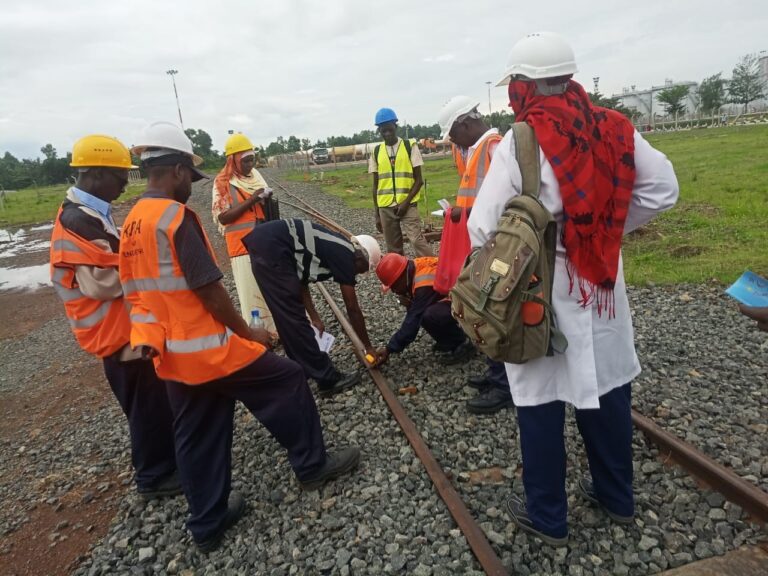
Practical learning is one of the most valuable aspects of rail training. Hands-on activities allow you to apply what you have learned in realistic environments while developing confidence and workplace skills. Rather than viewing practical sessions as assessments to complete, treat them as opportunities to improve your abilities and gain valuable experience. Take time to understand not only what you are doing but also why particular procedures are followed. This deeper understanding can help you retain information and apply it effectively when working in rail environments. Practical learning helps bridge the gap between training and employment, making it one of the most important parts of your course. Hands-on experience is one of the most effective ways to build confidence and prepare for real rail workplaces. Learn more in our article, Why Practical Learning Matters in Rail Industry Training, which explains how practical training helps students develop the skills and workplace readiness employers value.
5. Ask Questions Whenever You Need Clarification
No one is expected to know everything when they begin rail training. If you are unsure about a procedure, safety requirement, or concept, ask your trainer for clarification. Questions are an important part of the learning process and can often lead to valuable discussions that benefit the entire class. Seeking clarification demonstrates a willingness to learn and helps prevent misunderstandings from developing into larger issues later. Experienced trainers understand that students come from a variety of backgrounds and are there to support your learning throughout the course. Taking the initiative to ask questions can improve your confidence and strengthen your understanding of important topics.
6. Develop Good Professional Habits Early
Your training environment is an excellent place to develop the professional behaviours expected within the rail industry. Simple habits such as arriving on time, following instructions, communicating respectfully, working well with others, and taking responsibility for your learning can have a lasting impact on your future career. Rail employers value workers who demonstrate professionalism, reliability, and a positive attitude. Developing these behaviours during training helps prepare you for workplace expectations and creates a strong foundation for long-term success. Remember that professional development begins long before your first day on the job.
7. Keep Learning Beyond the Classroom
Completing your course is only the beginning of your learning journey. The rail industry continues to evolve through technological advancements, updated procedures, and new infrastructure projects. Successful rail professionals understand the importance of ongoing learning throughout their careers. Reviewing your course materials, reflecting on practical experiences, and staying informed about developments within the rail industry can help reinforce your knowledge and build confidence. Developing a habit of continuous learning will not only support your current training but also prepare you for future opportunities and career progression within the industry. Continuous learning doesn’t stop once you’ve completed your course. Our article, Why Ongoing Training Matters for Experienced Rail Workers, explores how ongoing professional development helps rail workers keep their skills current, adapt to industry changes and progress throughout their careers.
Your Attitude Can Make a Difference
While technical knowledge and practical skills are essential, your attitude towards learning can influence how much you gain from your training. Students who remain curious, open to feedback, and committed to improving often build confidence more quickly and develop stronger workplace skills. Being willing to learn from mistakes, support classmates, and take on new challenges creates a more rewarding learning experience. Positive attitudes also contribute to stronger teamwork, better communication, and a greater appreciation of the safety culture that underpins the rail industry. Approaching every training session as an opportunity to improve can have lasting benefits throughout your career.
Preparing for a Career in Rail
Rail training is designed to prepare you for the realities of working in a safety-critical industry. The knowledge and skills you develop during your course will help form the foundation of your future career. Making the most of your training means more than simply passing assessments. It involves building confidence, developing professional habits, strengthening practical skills, and understanding the importance of safety in every aspect of rail work. The effort you invest during training can help prepare you for employment opportunities and support your long-term career development within Australia’s growing rail sector.
Getting the most out of your rail training starts with the right mindset. By arriving prepared, participating actively, embracing practical learning, asking questions, developing professional habits, and committing to continuous improvement, you can maximise every opportunity your training provides. Rail training is designed to prepare students for real workplace environments where safety, teamwork, professionalism, and practical skills are essential. The knowledge and experience you gain during your course can provide a strong foundation for a successful and rewarding career in Australia’s rail industry. The more you invest in your learning today, the better prepared you’ll be for the opportunities that lie ahead.
-
How to Become a Train Driver in Victoria
Read on for a guide on how to become a train driver in Victoria, from the necessary qualifications and training to different career opportunities that await you on the tracks.
-
Kenya Ports Authority selects CERT for rail infrastructure training
The Kenya Ports Authority has forged a strong relationship with CERT since 2014 and engaged them to assist with the development of its workforce…
-
ARTC online learning pilot program
With the COVID-19 pandemic shutting down most of what we know to be normal life, the rail industry breathed a sigh of relief when…