Why Wearing the Correct PPE Matters During Training
Wearing the correct personal protective equipment (PPE) during training helps reduce the risk of injury, supports safe learning environments, and prepares students for real workplace expectations. PPE such as high-visibility clothing, safety footwear, hard hats, gloves, eye protection, and hearing protection may be required depending on the training activities being undertaken. Developing the habit of wearing the correct PPE during training helps reinforce a strong safety culture and prepares learners for working safely in Australia’s rail industry.
Safety is the foundation of Australia’s rail industry. Whether working on rail infrastructure projects, undertaking maintenance activities, or supporting day-to-day rail operations, workers are expected to follow strict safety procedures and use appropriate personal protective equipment (PPE). These expectations begin long before someone enters the workforce. During rail training, students are introduced to the same safety principles and workplace behaviours they will be expected to demonstrate throughout their careers. One of the simplest yet most important of these behaviours is wearing the correct PPE.
Although PPE is often associated with compliance, it serves a much greater purpose. It helps protect individuals from workplace hazards, supports practical learning activities, and encourages a professional approach to safety from the very beginning of a student’s rail career. Understanding why PPE matters during training can help learners appreciate its importance and develop habits that will remain valuable throughout their working lives.
What Is Personal Protective Equipment?
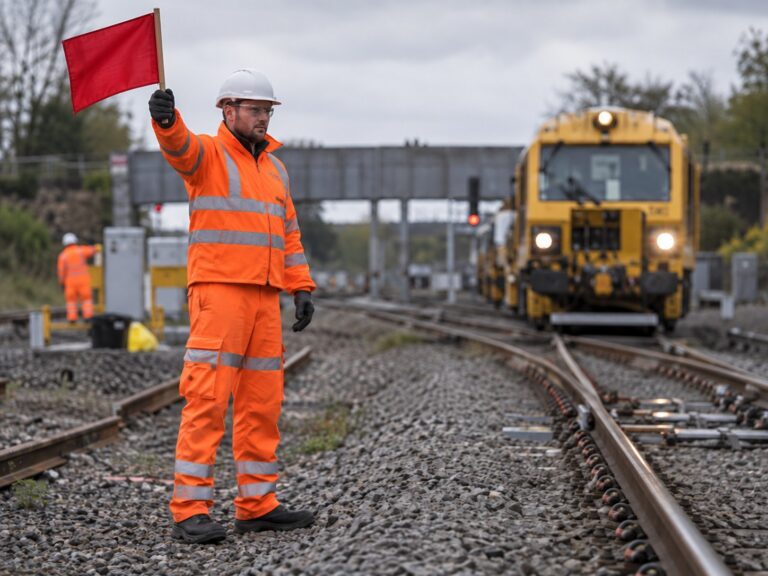
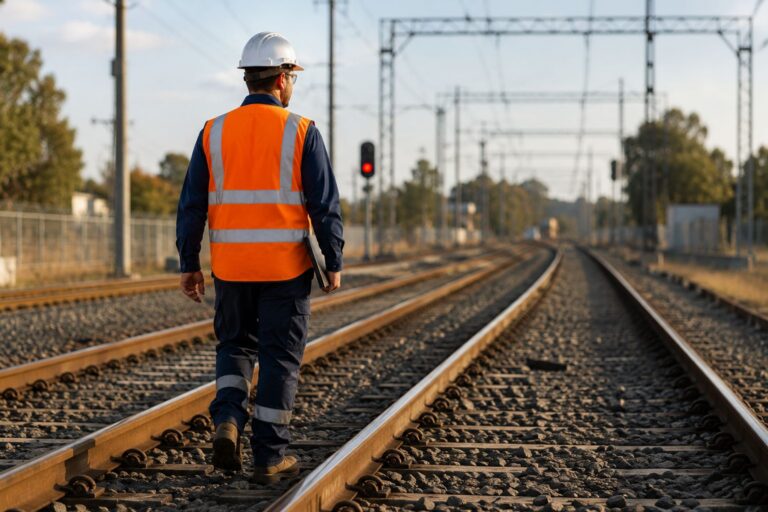
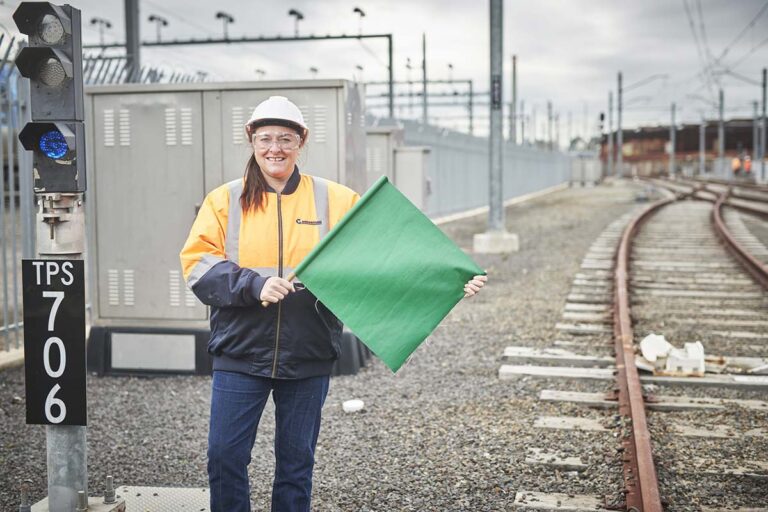
Personal protective equipment, commonly referred to as PPE, includes clothing and equipment designed to help reduce exposure to workplace hazards. The type of PPE required depends on the environment and the tasks being performed. During practical rail training, students may be required to wear items such as high-visibility clothing, safety boots, hard hats, gloves, eye protection, or hearing protection where appropriate. Each item has a specific purpose. High-visibility clothing helps improve visibility around worksites, safety footwear protects feet from common workplace hazards, hard hats help protect against head injuries, while eye and hearing protection reduce exposure to hazards associated with particular activities. Using the correct PPE alongside safe work practices forms an important part of working safely within rail environments.
Creating Safe Learning Environments
Practical training is designed to prepare students for real workplace situations. While training environments are carefully managed, practical activities may still involve equipment, tools, uneven surfaces, or other hazards commonly found within rail workplaces. Wearing the appropriate PPE helps reduce the risk of injury during these activities and contributes to a safer learning environment for everyone involved. Safety during training is a shared responsibility. Trainers provide guidance and supervision, while students contribute by following instructions, wearing required PPE, and participating responsibly in practical activities. Developing these habits during training helps create a positive safety culture that benefits everyone on site.
Preparing Students for Workplace Expectations
One of the key objectives of rail training is preparing learners for employment within the industry. In real rail workplaces, wearing the correct PPE is a normal part of daily operations. Workers are expected to understand site requirements, select the appropriate equipment, and wear it correctly whenever required.
By introducing these expectations during training, students become familiar with industry standards before entering the workforce. Wearing PPE becomes part of their routine rather than something they need to learn after starting work. This practical experience helps bridge the gap between the classroom and the workplace while reinforcing professional behaviours expected across the rail industry.
Supporting a Strong Safety Culture
The rail industry places a strong emphasis on safety because workers often operate in environments where hazards can change quickly. Developing a strong safety culture starts with understanding that every safety measure has a purpose. PPE is one part of a broader approach that also includes following procedures, identifying hazards, communicating effectively, and managing risks appropriately. When students consistently wear the correct PPE during training, they reinforce the mindset that safety should always be considered before beginning any task. This attitude can influence how individuals approach workplace responsibilities throughout their careers and contributes to safer outcomes across the industry. Developing safe work habits starts from day one of your training. To learn more about how safety principles are introduced before entering the workforce, read our article, From Training to Trackside: The Purpose of Rail Induction, which explains how rail induction prepares workers for safe and responsible work in rail environments.
Building Good Habits Early
The habits developed during training often continue into the workplace. Students who consistently wear PPE correctly, inspect their equipment, and follow safety procedures are more likely to carry these behaviours into future employment. Developing these habits early can help reduce the likelihood of complacency and encourage workers to maintain high safety standards throughout their careers.Good safety habits are built through repetition, and training provides an ideal opportunity to practise these behaviours in a supportive learning environment. As students become more familiar with workplace expectations, wearing PPE becomes a natural part of preparing for any practical activity.
Understanding That PPE Is Only One Part of Safety
Although PPE is an essential safety measure, it should not be viewed as the only form of protection. Safe rail work also depends on effective planning, hazard identification, following workplace procedures, using equipment correctly, maintaining communication, and remaining aware of surrounding activities. Training helps students understand how PPE fits within this broader safety framework. Rather than relying solely on protective equipment, learners develop an appreciation for the multiple layers of risk management that contribute to safe rail operations. Understanding this broader approach helps students develop stronger safety awareness and better decision-making skills.
Learning to Identify Appropriate PPE
Different tasks require different types of protective equipment. During training, students learn that PPE requirements can vary depending on the environment, the work being performed, and the hazards that may be present. Understanding how to identify appropriate PPE is an important workplace skill. It helps workers assess situations, follow site requirements, and contribute to safer working environments. Learning these principles during training prepares students to adapt to different worksites and project requirements throughout their careers.
Demonstrating Professionalism
Wearing the correct PPE is also a sign of professionalism. Employers value workers who understand workplace expectations, take safety seriously, and demonstrate responsibility for their own wellbeing and the wellbeing of those around them. Students who consistently follow PPE requirements during training demonstrate respect for safety procedures and a willingness to work responsibly. These behaviours can help establish positive workplace habits and contribute to a professional reputation as individuals begin their careers within the rail industry. Professionalism is reflected not only in technical skills but also in everyday behaviours that support safe and effective work practices.
Practical Learning Reinforces Safe Behaviour
Practical training gives students the opportunity to apply safety knowledge in realistic environments. Rather than simply learning about PPE in theory, learners experience when it should be worn, how it contributes to workplace safety, and why different activities require different forms of protection. This practical understanding often creates stronger learning outcomes than classroom instruction alone. Students gain confidence using PPE correctly while developing a better appreciation of its role within everyday rail work. Combining theoretical knowledge with practical experience helps prepare learners for the expectations they will encounter in the workplace. Practical training gives students the opportunity to apply safety procedures in realistic workplace scenarios. Our article, Why Practical Learning Matters in Rail Industry Training, explores how hands-on learning helps students build confidence, develop practical skills and prepare for the expectations of Australia’s rail industry.
Carrying Safe Work Practices Into Your Career
The safety behaviours developed during training often become lifelong workplace habits. Workers who understand the importance of PPE from the beginning of their careers are generally better prepared to contribute to safe worksites and maintain professional standards throughout their employment. As rail projects continue to grow across Australia, employers continue to value workers who understand safety responsibilities and consistently apply safe work practices. Building these habits during training provides a strong foundation for future career success and supports the industry’s ongoing commitment to workplace safety.
Wearing the correct PPE during rail training is about much more than complying with workplace requirements. It helps protect students during practical activities, supports safe learning environments, and prepares future rail workers for the expectations of the industry. By developing safe habits early, understanding when PPE is required, and recognising its role within a broader safety culture, students build valuable skills that extend well beyond the classroom. As learners transition from training to real rail workplaces, the knowledge and behaviours developed through consistently wearing the correct PPE can contribute to safer worksites, greater professionalism, and long-term success within Australia’s rail industry.
-
A Beginner’s Guide to Line Handsignalling in the Rail Industry
Line handsignalling is a rail safety function used to communicate instructions to rail traffic in situations where handsignallers form part of the applicable safeworking…
-
What Happens If You Don’t Have a USI
A Unique Student Identifier (USI) is required for most nationally recognised training in Australia. If you do not have a USI, your training provider…
-
What is the ARTC and How can you get a NSW rail job?
For those interested in a challenging and rewarding career in freight rail, there’s plenty of opportunities around Australia. One of the largest freight operators…