Understanding Track Protection Levels in NSW Rail Networks
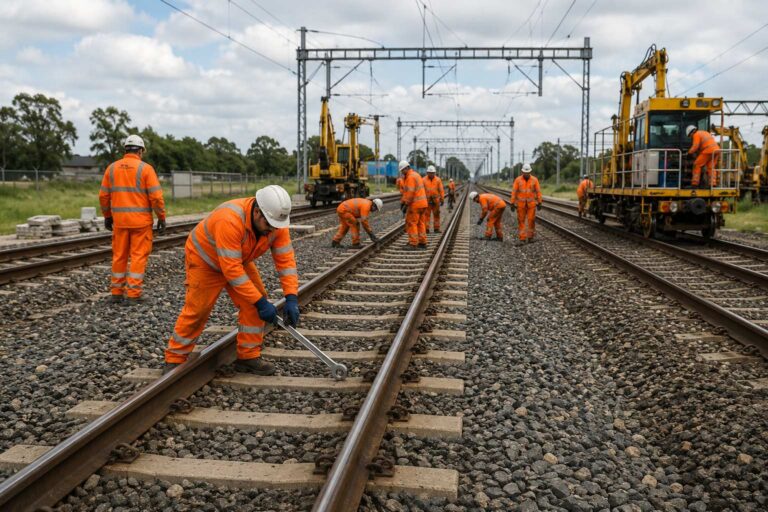
Track protection levels in NSW rail networks refer to different competency levels and responsibilities associated with protecting workers on or near railway tracks. Protection Officer training may be structured into Levels 1, 2, 3 and 4, depending on the network and its safeworking framework. Higher levels generally involve additional competencies and more complex protection responsibilities. However, the exact duties and permitted protection methods vary between networks. Workers must hold the appropriate training, competency and authorisation before performing track protection duties.
Railway maintenance, construction and inspection activities often require workers to enter environments where trains and other rail vehicles operate. These activities need appropriate protection arrangements to manage the risks associated with rail traffic. In New South Wales, Protection Officers play an important role in implementing and managing worksite protection. However, not every Protection Officer holds the same competencies or is authorised to use the same protection methods.
Why Are There Different Protection Officer Levels?
Different protection levels help distinguish the competencies required for different protection responsibilities. Some work activities may be managed using comparatively straightforward protection arrangements, while others involve more complex operating conditions, authorities or coordination requirements. A staged competency framework allows workers to develop knowledge and practical skills before progressing into more advanced responsibilities. However, higher levels should not be interpreted as a universal ranking of every protection method. The actual responsibilities attached to each level depend on the network’s current rules and competency framework. Understanding the responsibilities associated with each protection level is essential for workers pursuing a career in rail safeworking. Protection Officer Responsibilities Explained explores the duties involved in managing worksite protection, assessing hazards and following rail safety procedures.
Protection Officer Level 1
Protection Officer Level 1 is generally an entry-level Protection Officer competency within NSW frameworks that use numbered levels. It provides a foundation for understanding and performing specified worksite protection responsibilities. Training may address relevant safety rules, hazard identification, communication, worksite assessment and the protection arrangements permitted at this level. The precise methods a Level 1 Protection Officer may implement depend on the applicable network. Workers must not assume that completing Level 1 training provides authority to establish every type of worksite protection. They need to understand the duties permitted by their competency and any additional network authorisation requirements.
Protection Officer Level 2
Protection Officer Level 2 generally builds on the knowledge and competencies required at the earlier level. Depending on the network, this can involve additional protection methods, more detailed planning or greater responsibilities in managing worksite arrangements. Training may place greater emphasis on assessing worksite conditions, applying relevant safeworking procedures and coordinating with other rail personnel. Workers progressing to Level 2 need to satisfy the prerequisites associated with the particular training program. The exact protection duties permitted at Level 2 must be confirmed against the relevant network’s current competency requirements.
Protection Officer Level 3
Protection Officer Level 3 is a more advanced competency within NSW protection frameworks that use this classification. It may involve protection responsibilities requiring additional technical knowledge, planning and coordination. Workers at this level need to understand the procedures relevant to the protection methods they are authorised to use. They may also need to demonstrate experience and competency in managing more complex worksite conditions. Level 3 training should not be treated as a universal qualification to manage every rail worksite. Specific authority continues to depend on the network, competency held and applicable operational requirements.
Protection Officer Level 4
Protection Officer Level 4 represents a further level of competency within certain NSW rail safeworking frameworks. Training at this level can relate to more advanced protection responsibilities and arrangements requiring specialised knowledge. Workers may need to demonstrate a strong understanding of safeworking rules, communication, risk assessment and coordination requirements. Progression to this level is subject to the applicable prerequisites and competency assessment process. Importantly, Level 4 does not provide unrestricted authority across all NSW rail networks. Workers must continue to operate within their specific network competency and authorisation.
How Do the Protection Officer Levels Compare?
Protection Officer competency levels generally progress from foundational responsibilities to more advanced worksite protection duties. Level 1 focuses on basic protection responsibilities and permitted entry-level methods, while Level 2 introduces additional protection competencies and responsibilities. Level 3 involves more advanced protection methods and worksite coordination, while Level 4 covers further specialised protection responsibilities within the applicable framework. However, the specific duties and protection methods associated with each level vary between NSW rail networks. Workers must refer to the relevant network’s competency requirements and safeworking rules to understand the responsibilities they are authorised to perform.
Do All NSW Rail Networks Use the Same Protection Levels?
No. NSW rail networks do not necessarily use identical competency classifications, operating rules or authorisation arrangements. Different infrastructure managers may have their own safeworking systems and requirements. A competency pathway used on one network should not automatically be applied to another. Workers may need additional network-specific training, assessment or authorisation before undertaking protection responsibilities. This is particularly important for contractors who work across multiple rail networks. Understanding which network’s rules apply is an essential part of choosing the correct training.
What Is the Difference Between Protection Levels and Protection Methods?
Protection levels and protection methods are related, but they are not the same thing. A protection level describes a worker’s competency classification within a particular network framework. A protection method is an approved arrangement used to manage the risks associated with rail traffic during work activities. For example, depending on the network, protection methods may include Lookout Working, Absolute Signal Blocking or arrangements involving a Track Occupancy Authority. A worker’s competency level helps determine which methods they may be permitted to implement, subject to the network’s requirements. Workers must never select a protection method solely because they have completed a particular course. The method must be appropriate for the worksite and implemented in accordance with applicable rules. Regardless of their competency level, Protection Officers must understand how approved protection methods help manage risks around operational railway tracks. Why Effective Track Protection Is Critical to Rail Safety explains the importance of planning, communication and appropriate protection arrangements when working on or near rail infrastructure.
Do Protection Officer Competencies Need to Be Renewed?
Protection Officer roles may be subject to competency currency, recertification and network authorisation requirements. These requirements help ensure workers maintain the knowledge and practical skills relevant to their responsibilities. Renewal arrangements can differ between networks and competency levels. Workers should monitor their training records and confirm the requirements applying to their role rather than assuming that completing a course provides permanent authorisation.
Developing a Career in Rail Safeworking
Protection Officer training can provide a pathway for workers interested in developing specialised rail safeworking competencies. Workers may begin with foundational rail safety knowledge before progressing through the training required for particular protection responsibilities. As experience and competency develop, additional training may support progression into higher protection levels. However, progression is not automatic. Workers must meet the relevant prerequisites, assessment requirements and network authorisation conditions. Understanding the available pathway can help rail professionals plan their training and professional development.
Understanding track protection levels in NSW helps rail workers recognise the different competencies and responsibilities involved in managing worksite protection. Within frameworks that use Protection Officer Levels 1 to 4, workers generally progress from foundational protection responsibilities towards more advanced duties. However, the precise methods and responsibilities permitted at each level depend on the applicable network rules and competency requirements. Appropriate training, practical assessment, communication and ongoing competency management are essential for workers performing these safety-critical functions. For people pursuing a career in rail safeworking, understanding the correct network-specific training pathway is an important first step.
-
Preparing for Leadership Opportunities in the Rail Industry
Preparing for leadership opportunities in the rail industry involves developing strong technical knowledge, communication skills, decision-making abilities, and a commitment to safety. Leadership roles…
-
RISSB Derailment Investigation and Analysis Workshop
Investigating a derailment is a complex process. Investigations must be conducted in a structured and thorough manner to correctly identify the causes of derailment…
-
Kenya Ports Authority selects CERT for rail infrastructure training
The Kenya Ports Authority has forged a strong relationship with CERT since 2014 and engaged them to assist with the development of its workforce…