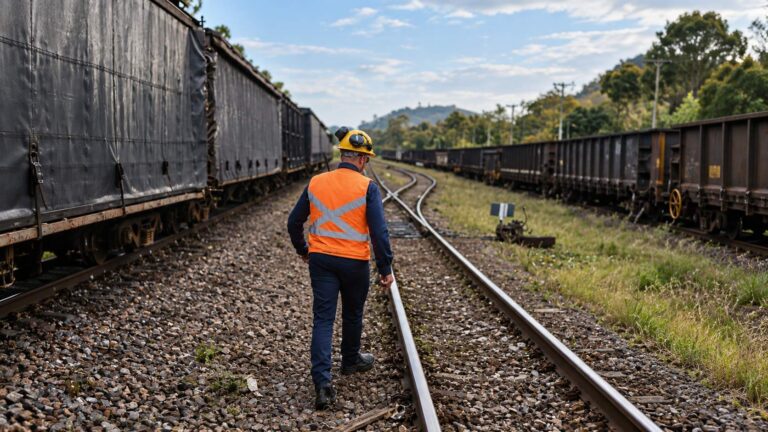
What Does a Rail Labourer Do
A rail labourer supports the construction, maintenance, inspection, and operation of rail infrastructure. Their duties can include assisting with track work, preparing worksites, handling tools and equipment, following safety procedures, and supporting rail crews during maintenance or construction activities. Rail labourers play an important role in keeping rail networks safe, reliable, and operational. The role provides valuable hands-on experience and is often a starting point for individuals looking to build a long-term career in Australia’s rail industry.
Behind every rail line, station, and train service is a team of skilled workers responsible for building, maintaining, and operating the infrastructure that keeps the network running safely and efficiently. One of the most common entry points into the rail sector is the role of a rail labourer. While it is often considered an entry-level position, rail labourers perform important work that contributes directly to the safety, reliability, and performance of rail infrastructure. For people interested in practical outdoor work and looking to establish a career in the rail industry, understanding the responsibilities of a rail labourer can provide valuable insight into the opportunities available within this growing sector.
Understanding the Role of a Rail Labourer
A rail labourer assists with a variety of activities that support rail infrastructure projects, maintenance programs, and operational requirements. The role is typically hands-on and involves working as part of a team in rail corridors, construction sites, maintenance areas, and other rail-related environments. Rail labourers support experienced rail workers by helping prepare work areas, transporting materials, operating tools and equipment where authorised, and assisting with maintenance or construction tasks.
The exact responsibilities can vary depending on the project, employer, and work environment. However, the primary objective remains the same: supporting the safe and efficient delivery of rail work. The role provides valuable exposure to rail operations and allows workers to gain practical experience while developing industry-specific skills and knowledge.
Assisting with Rail Infrastructure Construction
One of the key responsibilities of a rail labourer is supporting rail infrastructure construction projects. Australia continues to invest in new rail networks, upgrades, and infrastructure improvements. Rail labourers often assist with activities that contribute to the development and expansion of these projects. This may involve preparing work areas, assisting with material handling, supporting construction crews, and ensuring worksite activities are carried out safely and efficiently.
Construction projects can vary significantly in size and complexity, providing rail labourers with opportunities to work on a range of infrastructure developments while gaining valuable practical experience. Working on these projects allows labourers to develop an understanding of how rail infrastructure is built and maintained while contributing to important transport initiatives.
Supporting Maintenance Activities
Maintaining rail infrastructure is essential for ensuring safe and reliable operations across the network. Rail labourers frequently assist with maintenance activities designed to keep tracks, corridors, and associated infrastructure in good condition. These activities help identify potential issues before they affect operations and support the long-term performance of rail assets. Maintenance work may involve assisting crews with inspections, preparing equipment, handling materials, and supporting scheduled maintenance tasks. By contributing to maintenance programs, rail labourers play an important role in helping rail networks operate safely and efficiently.
Following Strict Safety Procedures
Safety is at the centre of every activity within the rail industry. Rail labourers often work in environments where trains, machinery, equipment, and infrastructure projects are active. Because of this, strict safety procedures must be followed at all times. A significant part of the role involves understanding workplace safety requirements, recognising hazards, following instructions, and maintaining awareness of surrounding activities.
Rail labourers are expected to comply with site-specific rules, use personal protective equipment correctly, and participate in safety briefings and workplace procedures. Developing a strong commitment to safety is one of the most important aspects of working in the rail industry and is a key skill that employers look for when recruiting workers.
Working as Part of a Team
Rail projects rely on effective teamwork. Rail labourers work alongside a variety of professionals, including supervisors, track workers, maintenance crews, machine operators, engineers, and project personnel. The ability to communicate effectively and work collaboratively is essential for ensuring tasks are completed safely and efficiently.
Successful rail labourers understand the importance of following instructions, supporting colleagues, and contributing positively to team objectives. Teamwork also helps create a safer working environment by ensuring everyone remains informed and aware of project activities and potential hazards. For many individuals, working as part of a rail team provides valuable opportunities to learn from experienced industry professionals and develop new skills.
Working in a Variety of Environments
One of the unique aspects of being a rail labourer is the variety of work environments that may be encountered. Rail projects can take place in metropolitan areas, regional locations, industrial sites, freight corridors, and remote areas. Depending on the employer and project requirements, labourers may work on maintenance programs, construction activities, infrastructure upgrades, or operational support tasks. This variety can make the role appealing to individuals who enjoy practical, outdoor work and changing work environments. The ability to adapt to different locations, conditions, and project requirements is often highly valued within the rail industry.
Skills That Help Rail Labourers Succeed
While rail labourers receive training and support to perform their duties, several personal qualities can contribute to success in the role. A strong work ethic is important because rail projects often involve physically demanding tasks and require individuals who are reliable and committed to completing work safely. Good communication skills help labourers follow instructions, work effectively with others, and contribute to a safe workplace.
Attention to detail is also valuable, as workers must follow procedures and remain aware of changing conditions within rail environments. Adaptability, teamwork, and a willingness to learn are additional qualities that can help individuals build successful careers within the rail sector. Many employers value workers who demonstrate initiative and a positive attitude towards ongoing training and professional development.
A Pathway into the Rail Industry
For many people, working as a rail labourer provides an entry point into a broader rail career. The role offers practical experience and exposure to rail environments, helping workers develop an understanding of industry operations, safety requirements, and workplace expectations. As labourers gain experience and complete additional training, opportunities may become available to progress into more specialised positions within rail construction, maintenance, operations, safety, or project delivery. The knowledge and experience gained in an entry-level role can provide a strong foundation for long-term career development within the rail sector. Many experienced rail professionals began their careers in hands-on positions that allowed them to build skills, confidence, and industry knowledge over time. For many people, becoming a rail labourer is the first step towards a rewarding career in the rail sector. If you’re wondering how to get started, read our guide on How to Become a Rail Industry Worker, which explains the typical entry pathways, training requirements and the role of the Rail Industry Worker (RIW) card in Australia.
Importance of Training
Training plays an essential role in preparing rail labourers for work within the industry. Rail environments are highly regulated and safety-focused, making it important for workers to understand procedures, responsibilities, and workplace expectations before entering operational environments. Quality training helps learners develop knowledge of rail safety principles, hazard awareness, communication requirements, and industry practices. Practical learning experiences allow students to apply this knowledge while building confidence and workplace readiness. Training also helps individuals understand how their role contributes to the broader rail network and the importance of maintaining high standards of safety and professionalism.
Rail labourers play an important role in supporting the construction, maintenance, and operation of Australia’s rail infrastructure. Through hands-on work, teamwork, and a strong commitment to safety, they help ensure rail networks remain safe, reliable, and efficient. The role provides valuable practical experience and serves as a common entry point for individuals looking to establish long-term careers within the rail industry. With opportunities to develop new skills, gain industry knowledge, and progress into specialised roles, rail labouring can be the beginning of a rewarding career pathway. Practical experience is an important part of preparing for work in the rail industry. Our article on Why Practical Learning Matters in Rail Industry Training explains how hands-on learning helps students develop the confidence, practical skills and safety awareness needed to succeed in rail environments.
-
ARTC online learning pilot program
With the COVID-19 pandemic shutting down most of what we know to be normal life, the rail industry breathed a sigh of relief when…
-
What to Know About UGLRL Safeworking Training
UGLRL Safeworking Training prepares rail workers to perform specific safeworking duties on the UGL Regional Linx network in New South Wales. Depending on the…
-
Understanding the Risks of Working in Electrified Rail Territory
Working in electrified rail territory can expose workers to serious electrical hazards from overhead wiring, traction power systems and other energised infrastructure. Electrical contact…