From Training to Trackside The Purpose of Rail Induction
Rail induction prepares workers to enter rail environments safely and confidently by providing essential knowledge about rail safety, workplace procedures, hazards, and industry requirements. It helps learners understand their responsibilities when working around rail infrastructure, trains, and operational environments. Rail induction is an important first step for anyone entering the rail industry because it supports safe work practices, improves awareness of potential risks, and helps ensure workers are prepared before stepping trackside. Every day, thousands of workers contribute to the construction, maintenance, operation, and management of rail infrastructure across the country.
Whether supporting passenger services, freight operations, or major infrastructure projects, everyone working within rail environments has a responsibility to follow established safety procedures and understand the unique risks associated with the industry. For individuals entering the rail sector, one of the first and most important steps is completing a rail induction. Rail induction provides the foundational knowledge required to work safely within rail environments and helps prepare workers for the responsibilities they will encounter on site. While rail induction is often viewed as an entry requirement, its purpose extends far beyond compliance. It plays a critical role in building safety awareness, introducing industry expectations, and helping workers make the transition from training environments to real-world rail worksites.
What Is Rail Induction?
Rail induction is an introductory training process designed to prepare workers for entry into rail environments. Before individuals can work near rail infrastructure, operational corridors, construction projects, or maintenance activities, they need to understand the safety requirements, procedures, and responsibilities associated with the industry. Rail induction provides this essential knowledge.
The training introduces learners to the fundamental principles that support safe rail operations. This includes understanding workplace hazards, recognising the importance of following procedures, maintaining awareness of surroundings, and understanding how individual actions contribute to overall safety. For many workers, rail induction represents their first formal introduction to the rail industry and serves as the foundation for future learning and professional development.
Why Rail Induction Is So Important
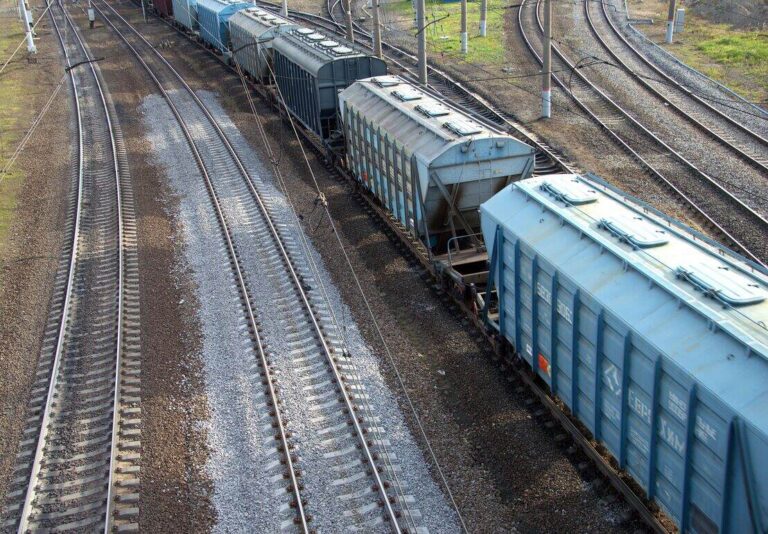
Rail environments are unlike many other workplaces. Workers may be operating near active rail lines, heavy machinery, specialised equipment, electrical infrastructure, and moving trains. These environments require strict controls and a strong commitment to safety.
Rail induction helps ensure that everyone entering these environments has a baseline understanding of how to work safely and responsibly. It introduces workers to the risks associated with rail operations and provides guidance on how those risks can be managed. Without this foundational knowledge, workers may not fully understand the hazards present in rail environments or the importance of complying with industry procedures.
Building a Safety-First Mindset
One of the primary objectives of rail induction is to develop a strong safety mindset from the very beginning. Safety is the highest priority across all areas of the rail industry. Every worker, regardless of their role or level of experience, is expected to contribute to maintaining safe working conditions. Rail induction introduces learners to the safety culture that exists throughout the industry.
It emphasises the importance of hazard awareness, risk management, communication, personal responsibility, and procedural compliance. Rather than viewing safety as a checklist or administrative requirement, workers are encouraged to understand how safety influences every task they perform. This mindset becomes an important part of professional behaviour and helps workers make informed decisions throughout their careers. Developing a strong safety mindset starts with quality training and continues throughout a rail worker’s career. Learn more about why safety is at the heart of the industry in our article, How Train Driver Training Supports Rail Safety, which explores how education and practical training help create safer rail workplaces.
Rail Workplace Hazards
A key component of rail induction involves helping workers recognise and understand workplace hazards. Rail environments present a range of potential risks that may not exist in other industries. These can include moving trains, trackside operations, heavy equipment, electrical systems, environmental conditions, and project-specific activities.
Induction training helps learners identify potential hazards and understand the procedures used to minimise risks. It encourages workers to remain alert, maintain situational awareness, and follow workplace instructions at all times. The ability to recognise hazards and respond appropriately is a critical skill for anyone working within rail environments and forms an important part of safe work practices.
Roles and Responsibilities
Rail induction also helps workers understand their responsibilities within the workplace. Every individual working within the rail industry has an obligation to follow procedures, communicate effectively, report hazards, and contribute to a safe working environment. Understanding these responsibilities is essential for maintaining safe and efficient operations.
Induction training introduces learners to workplace expectations and reinforces the importance of accountability. Workers gain an understanding of how their actions can impact colleagues, contractors, rail operations, and the broader community. This awareness helps establish professional behaviours that support both individual performance and overall workplace safety.
Preparing Workers for Real Rail Environments
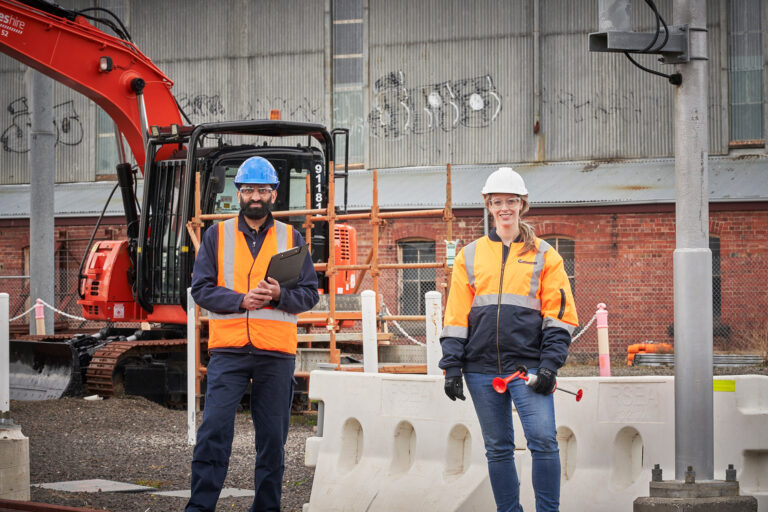
Moving from a training environment into an active rail workplace can be a significant transition for many individuals. Rail induction helps bridge this gap by providing context around how rail environments operate and what workers can expect when they arrive on site. It familiarises learners with common workplace procedures, safety requirements, communication protocols, and operational expectations. This preparation can also help build confidence, particularly for individuals who are new to the industry and may have limited experience working in rail environments.
Supporting Communication and Teamwork
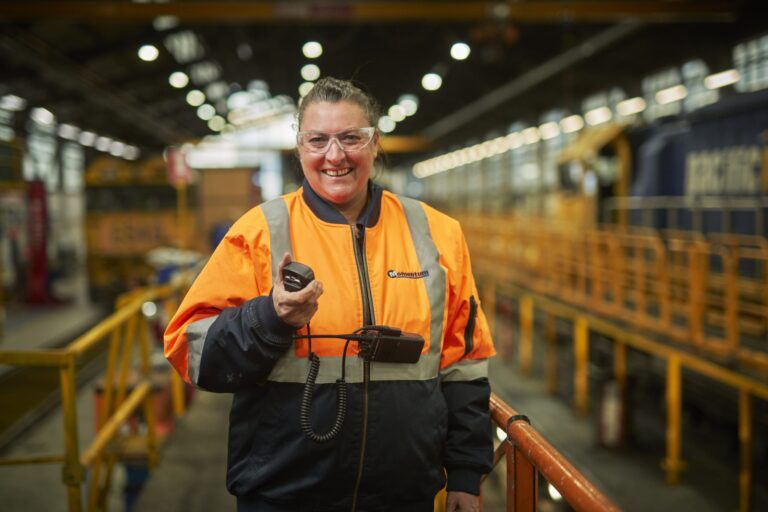
Effective communication is a vital part of rail safety. Workers must be able to understand instructions, share information accurately, and communicate potential risks or concerns when required. Rail induction highlights the importance of communication and introduces learners to the standards expected within rail workplaces. The training also reinforces the value of teamwork. Rail projects often involve multiple teams and disciplines working together to achieve common objectives. Cooperation and effective communication help ensure work is completed safely and efficiently.
Supporting Long-Term Career Development
Rail induction is often the first step in a much broader career journey. For many individuals, completing induction training opens the door to opportunities within rail construction, maintenance, operations, infrastructure projects, and other areas of the industry. The knowledge gained during induction provides a foundation that supports future learning and skill development. As workers progress through their careers, the safety principles and workplace expectations introduced during induction continue to influence their professional practices. Building strong foundations early can contribute significantly to long-term success within the rail sector. Rail induction is just the beginning of a rewarding career in the industry. If you’re considering your next steps, read our guide on What Does a Rail Labourer Do? to discover how many people begin their rail careers, the responsibilities of the role, and the opportunities for long-term career progression.
Rail Induction Benefits the Industry
The benefits of rail induction extend beyond individual workers. When all personnel entering rail environments share a common understanding of safety principles, workplace expectations, and operational requirements, organisations can maintain more consistent standards across projects and worksites. Induction training helps reduce risks, improve communication, and support a culture where safety remains a shared responsibility. It also helps ensure workers arrive on site with the knowledge required to contribute positively from day one. This consistency benefits employers, project teams, and the broader rail industry by supporting safer and more effective operations.
Rail induction plays a critical role in preparing workers for safe and successful careers within Australia’s rail industry. By introducing essential safety principles, workplace responsibilities, hazard awareness, and industry expectations, induction training helps bridge the gap between learning and real-world rail environments. For anyone entering the rail sector, rail induction is much more than a requirement, it is the foundation for working safely, confidently, and professionally. As rail projects continue to grow across Australia, well-prepared workers will remain essential to maintaining the high safety standards that underpin the industry’s success.
-
Upskilling vs Reskilling in the Rail Industry Which Is Right for You
Upskilling and reskilling both help workers adapt to changing industry demands, but they serve different purposes. Upskilling involves building on your existing knowledge to…
-
Where can I find rail jobs around Australia?
Australia is criss-crossed by railways that offer a key service to industry and the public. Freight rail covers the nation and links states, regions…
-
How to Get a Scaffolding Ticket
States across Australia require scaffolders to obtain the appropriate scaffolding ticket, formally known as a High Risk Work Licence (HRWL), through adequate training before they can operate.