What to Expect During Rail Safety Training
Rail safety training prepares participants to understand the hazards, procedures and responsibilities associated with working in rail environments. Depending on the course, training may cover hazard awareness, safe work practices, communication, personal protective equipment, emergency procedures and practical activities. Participants should expect a combination of theory and assessment designed to confirm their understanding and ability to apply relevant safety requirements. Specific course content and requirements vary depending on the rail role, network and competency being undertaken.
Working in Australia’s rail industry requires a strong understanding of safety. Rail environments can involve moving trains, heavy equipment, electrical infrastructure, construction activities and multiple teams working in close proximity. For this reason, workers need to understand the hazards associated with their role and the procedures used to manage them. Rail safety training helps participants develop the knowledge and skills required to approach these environments responsibly.
For people entering the industry, training can provide an important introduction to rail safety expectations. For existing workers, further training may help develop additional competencies or refresh knowledge relevant to their responsibilities. Knowing what to expect before attending rail safety training can help you arrive prepared, participate confidently and make the most of the learning experience.
An Introduction to Rail Safety Responsibilities
One of the first areas you can expect to explore is the importance of individual safety responsibilities. Rail safety depends on everyone understanding how their actions can affect themselves and others. Participants may learn about the responsibilities associated with following procedures, complying with instructions, identifying hazards and communicating safety information. Training also helps reinforce the importance of working within your level of competency and authority. Rail workers should understand what they are permitted and trained to do and when they need to seek further guidance. Developing this sense of responsibility provides an important foundation for working safely throughout the rail industry.
Learning About Rail Workplace Hazards
Hazard awareness is a central part of rail safety training. Rail environments can contain hazards that may be unfamiliar to people entering the industry for the first time. Depending on the work environment, these can include rail traffic, plant and machinery, electrical infrastructure, uneven surfaces, changing weather conditions and activities being performed by other work groups. Training helps participants develop the ability to recognise hazards and understand the importance of applying appropriate controls. Rather than simply memorising a list of potential risks, learners are encouraged to think carefully about their surroundings and recognise that conditions can change throughout a shift or work activity. This awareness is an important part of developing strong situational awareness.
Understanding Safe Work Practices
Knowing that a hazard exists is only one part of workplace safety. Workers also need to understand how risks are managed. During rail safety training, participants can expect to learn about safe work practices relevant to the course they are undertaking. This may include following procedures, complying with site requirements, maintaining awareness of work activities and responding appropriately when conditions change. Training reinforces the importance of not taking shortcuts or making assumptions in safety-critical environments. Safe work practices become particularly important when multiple people or teams are operating within the same area. Consistent procedures help everyone understand what is expected and contribute to more predictable and controlled working conditions.
Importance of Communication
Clear communication is essential throughout rail operations. Depending on their role, rail workers may need to communicate with supervisors, colleagues, contractors, protection personnel, network personnel or other members of a work group. Misunderstood or incomplete information can create unnecessary risk. Rail safety training may introduce communication principles relevant to the activities being studied. Participants can learn why information needs to be clear, accurate and understood by the people involved. Training can also reinforce the importance of asking for clarification rather than making assumptions when an instruction or situation is unclear. Developing good communication habits during training can help prepare participants for the teamwork required in real rail environments.
Wearing the Correct PPE
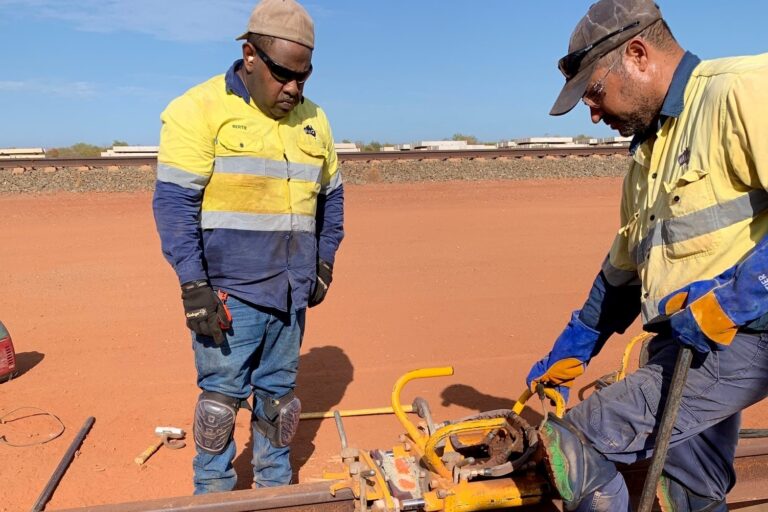
Personal protective equipment, commonly known as PPE, is another important part of working safely. Depending on the course and practical activities involved, participants may need to wear specific PPE. This could include high-visibility clothing, protective footwear, hard hats, eye protection, hearing protection or gloves where required. Participants should review the information provided before attending their course so they understand what clothing or equipment they are expected to bring. Training can also help learners understand that PPE is only one part of workplace risk management. Protective equipment works alongside procedures, hazard controls, communication and other safety measures rather than replacing them. Developing the habit of using required PPE correctly during training helps prepare learners for workplace expectations. Using the correct protective equipment during training helps establish safe habits that can carry into the workplace. Learn more in Why Wearing the Correct PPE Matters During Training, which explains how PPE supports safer learning environments and prepares participants for workplace expectations.
A Combination of Theory and Practical Learning
Rail safety training may involve both theoretical and practical learning, depending on the particular course. Theory provides the knowledge needed to understand hazards, procedures, responsibilities and safety principles. Practical activities allow participants to apply relevant knowledge and demonstrate skills in a controlled learning environment. This combination can be particularly valuable because rail safety is not simply about knowing a rule. Workers need to understand how safety requirements apply when carrying out tasks and responding to different situations. Practical learning can also help build confidence by giving participants opportunities to practise relevant skills under the guidance of a trainer.
Participating in Assessments
Assessment is an important component of nationally recognised training. Depending on the course, participants may complete written or verbal questions, practical demonstrations, observations or other assessment activities. The purpose is to determine whether the required knowledge and skills have been demonstrated against the relevant competency requirements. Rather than viewing assessment simply as something to pass, it can be helpful to see it as an opportunity to demonstrate that you understand how to apply what you have learned. Listening carefully during training, participating in activities and asking questions when something is unclear can help you prepare for assessment.
Learning to Respond to Changing Conditions
Rail environments are dynamic, and conditions do not always remain the same throughout a work activity. Weather can change, equipment can move, work groups can enter or leave an area, and operational conditions may be altered. Rail workers need to remain aware of what is happening around them and respond according to applicable procedures. Safety training can help develop this mindset by encouraging participants to continuously assess their environment rather than assuming conditions remain unchanged. Learning to recognise changes and respond appropriately supports situational awareness, which is valuable across many rail roles.
Developing a Safety-First Mindset
One of the most important outcomes of rail safety training is understanding that safety is part of every task. A safety-first mindset means considering potential hazards before beginning work, following relevant procedures and remaining aware throughout the activity. It also means being prepared to communicate concerns and seek clarification when necessary. Training provides an opportunity to develop these behaviours before applying them in the workplace. For people who are new to rail, this can help establish positive habits from the beginning. Experienced workers can also benefit from reinforcing the principles that underpin safe and professional rail operations.
How to Prepare for Rail Safety Training
Preparation can help you get more from your course. Before attending, carefully review any information supplied by your training provider. This will help you understand course-specific requirements, including identification, PPE, prerequisites, attendance arrangements or other documentation you may need. Getting adequate rest before training is also important. Rail safety learning can require sustained concentration, particularly when participants are learning new procedures or completing assessments. Arriving on time and ready to participate gives you the opportunity to focus fully on the course. If you do not understand something, ask your trainer for clarification rather than allowing uncertainty to continue. Being actively involved in your training can help strengthen your understanding and confidence. Being prepared and actively engaged can help you gain more from your training experience. For additional guidance, read 7 Tips to Help You Get the Most Out of Your Rail Training, which covers preparation, participation, practical learning and developing professional habits.
What Happens After Rail Safety Training?
What happens after training depends on the course completed, assessment outcomes and the requirements of the relevant employer or rail network. Some competencies may form part of the requirements for particular rail roles, while additional training, experience, medical requirements, inductions or network-specific authorisations may also be necessary. Completing one course should not automatically be assumed to authorise a person to perform every type of rail work. Rail professionals often continue learning throughout their careers as they develop additional competencies, move into different roles or respond to changes in technology, procedures and industry requirements. Viewing training as part of an ongoing professional development journey can help workers maintain their knowledge and continue building their capabilities.
Rail safety training helps prepare participants for the responsibilities and expectations associated with working in Australia’s rail industry. Depending on the course, you can expect to learn about hazards, safe work practices, communication, PPE, workplace responsibilities and other safety principles relevant to your competency. Training may also include practical activities and assessments that allow you to demonstrate your knowledge and skills. Arriving prepared, participating actively and asking questions can help you gain greater value from the experience. Most importantly, rail safety training helps develop the awareness and professional behaviours needed in safety-critical environments.
-
What is a RIW card?
To streamline the process and improve safety standards across the rail industry, the rail industry worker card, or more commonly known as the RIW card, was introduced as part of a national system to ensure all rail workers meet consistent compliance requirements.
-
Understanding the Risks of Working in Electrified Rail Territory
Working in electrified rail territory can expose workers to serious electrical hazards from overhead wiring, traction power systems and other energised infrastructure. Electrical contact…
-
Welding Training for Employers: Understanding the Units of Competency
As an employer, you may be considering investing in welding training for your staff. CERT Training offers three separate units of competency nationally.