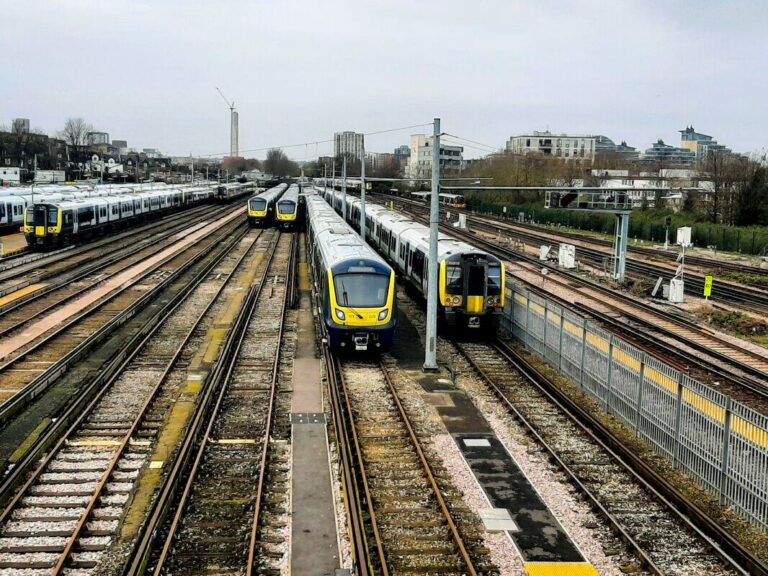
Understanding the Risks of Working in Electrified Rail Territory
Working in electrified rail territory can expose workers to serious electrical hazards from overhead wiring, traction power systems and other energised infrastructure. Electrical contact or unsafe proximity can result in severe injury or death, and equipment does not always need to touch an electrical source for danger to exist. Workers must understand the hazards, maintain required clearances, follow network procedures and work only within their competency and authority. Appropriate training helps rail workers recognise electrical risks and understand the controls required for safer work in electrified environments.
Electrified rail networks allow trains to operate efficiently across busy passenger and freight corridors, but the electrical infrastructure that powers these networks introduces hazards that workers must understand and manage carefully. Rail workers may encounter overhead electrical equipment, traction power systems and other electrical infrastructure while completing construction, maintenance, inspection or operational activities. Depending on the network and location, electrical equipment may carry high voltages capable of causing serious or fatal injuries.
What Is Electrified Rail Territory?
Electrified rail territory generally refers to areas of the rail network where electrical infrastructure is used to provide traction power for trains. Depending on the network, this can involve overhead wiring systems or other forms of electrical infrastructure. Workers may also encounter associated equipment that forms part of the wider traction power system. The specific systems, voltages, rules and terminology can differ between rail networks. Workers should therefore never assume that experience in one network automatically means they understand the requirements of another. Network-specific information, appropriate competency and relevant authorisations are important when working around electrified infrastructure.
Why Electrical Hazards Require Special Attention
Electricity can present risks that are not always immediately obvious. Unlike some physical hazards, electrical energy cannot necessarily be identified simply by looking at equipment. Infrastructure may remain energised even when no train is present and even when work is occurring elsewhere in the rail corridor. Electrical incidents can cause electric shock, severe burns and other serious injuries. They may also create secondary hazards, such as falls or equipment damage. For this reason, workers should always treat electrical infrastructure according to the applicable rules and procedures rather than relying on assumptions about whether equipment is energised.
Direct Contact Is Not the Only Risk
A common misconception about electrical safety is that an incident can occur only if a person physically touches an energised component. With high-voltage electrical systems, dangerous electrical discharge may occur across an air gap under certain conditions. This means workers, tools, plant or equipment may create a serious risk if they come too close to energised infrastructure. Maintaining the required electrical clearances is therefore essential. The appropriate clearance depends on the network, electrical system, work activity and applicable procedures. Workers should always follow the requirements for the environment in which they are operating rather than relying on a general distance or personal judgement.
Tools, Plant and Equipment Can Increase Risk
Electrical hazards do not affect workers alone. Tools, machinery and other equipment can also create risks when used near electrical infrastructure. Long or conductive objects can potentially enter restricted areas if they are raised, carried or positioned incorrectly. Mobile plant may also create additional hazards because parts of the equipment can move closer to electrical infrastructure during operation. This makes planning particularly important. Before activities begin, workers need to understand where electrical infrastructure is located and what restrictions apply to the tools, equipment and plant being used. Following approved procedures helps ensure these risks are considered before work starts.
Conditions Can Change During the Job
Rail worksites are dynamic environments. Equipment may move, work groups may change location and weather conditions may alter throughout a shift. A task that begins with appropriate separation from electrical infrastructure could present different risks if the work area or equipment position changes. Workers therefore need to maintain situational awareness throughout the activity. Electrical safety should not be treated as something that is considered only during the initial worksite briefing. Conditions need to be monitored, and changes that could affect safety should be addressed according to workplace and network procedures. This continuous awareness is particularly important when multiple teams or pieces of equipment are operating within the same area. Maintaining awareness of changing conditions is a fundamental part of working safely around rail infrastructure. For a broader look at how workers develop these skills, read What to Expect During Rail Safety Training, which explains how hazard awareness, communication and safe work practices are reinforced through training.
Electrical Isolation Must Never Be Assumed
Workers should never assume electrical infrastructure is safe simply because equipment appears inactive or because trains are not operating nearby. Where isolation or other electrical safety arrangements are required, workers must follow the relevant network procedures and instructions provided by appropriately authorised personnel. Workers should also understand the boundaries and conditions that apply to their work and remain within the limits of their role, competency and authority. This reinforces an important principle of rail safety: do not make assumptions about the status of safety-critical systems. Always follow the relevant procedures and seek clarification when conditions or instructions are unclear.
Following Network Rules Is Essential
Australia’s rail networks can have different infrastructure, operating rules and electrical safety requirements. A worker who has experience in one jurisdiction or rail network should not automatically assume that identical procedures apply elsewhere. Before working in electrified territory, individuals need to understand the requirements relevant to that particular network and their role. This may include completing appropriate training, inductions or competency requirements. Workers must also understand the limits of their authority. Completing general rail training does not necessarily authorise a person to perform electrical work or enter every area of an electrified network. Additional competencies or network-specific requirements may apply.
Communication Supports Electrical Safety
Clear communication is essential when working around electrical hazards. Rail projects can involve maintenance teams, protection personnel, electrical specialists, supervisors, contractors and other workers operating together. Everyone needs to understand the work being performed and the controls that apply. Pre-work briefings provide an opportunity to discuss hazards, boundaries, responsibilities and relevant safety arrangements. Workers should listen carefully and ask questions if anything is unclear. Making assumptions about electrical conditions, worksite boundaries or instructions can introduce unnecessary risk. Good communication helps create a shared understanding of the work environment and supports safer decision-making throughout the activity.
Personal Protective Equipment Has a Specific Role
Personal protective equipment may be required for particular rail activities, but PPE should never be treated as the primary defence against electrical hazards. Electrical risks are managed through a combination of planning, safe systems of work, access controls, required clearances, isolation procedures where applicable and other risk controls. PPE may form part of these arrangements depending on the activity and network requirements. Workers should wear the PPE specified for their role and work environment and understand its purpose and limitations. Simply wearing protective clothing does not make it safe to approach energised infrastructure or perform work outside a person’s competency.
Avoiding Complacency Around Familiar Hazards
Experienced rail workers may spend significant amounts of time around electrical infrastructure. Familiarity, however, does not remove the hazard. Repeated exposure to the same environment can sometimes make risks feel routine. Maintaining professional discipline means continuing to follow procedures even when a task has been completed many times before. Workers should avoid relying on previous experience alone when conditions, equipment or work arrangements have changed. Treating every job according to current conditions and applicable requirements helps prevent familiarity from turning into complacency.
Building a Strong Electrical Safety Culture
Managing electrical risk is a shared responsibility. Organisations establish procedures, provide training and implement controls, while workers have responsibilities to follow instructions, remain within their competency and communicate concerns. A strong safety culture encourages people to speak up when something is unclear or when conditions appear different from what was planned. It also reinforces the principle that meeting production or scheduling requirements should never justify bypassing established electrical safety controls. When workers understand the hazards and respect the systems designed to manage them, they contribute to safer outcomes across the rail network. A strong safety culture also depends on workers recognising hazards, following procedures and communicating concerns before they contribute to an incident. Learn more in How Investigation Training Supports a Stronger Safety Culture, which explores how investigation skills can support hazard awareness, accountability and continuous improvement.
Preparing to Work in Electrified Rail Environments
Anyone preparing to work in electrified rail territory should make sure they understand the requirements that apply to their particular role and network. This includes completing required training and inductions, reviewing worksite information, understanding relevant hazards and paying close attention during safety briefings. Workers should also arrive ready to concentrate and participate actively in workplace safety processes. If an instruction, boundary or electrical condition is unclear, clarification should be obtained before proceeding. Preparation and awareness are essential because electrical hazards can have severe consequences when controls are misunderstood or ignored.
Working in electrified rail territory introduces electrical hazards that require careful management. Overhead wiring, traction power equipment and other energised infrastructure can present serious risks to workers, tools, machinery and surrounding activities. Safe work depends on recognising these hazards, maintaining required clearances, following applicable network procedures, communicating clearly and remaining within the limits of your competency and authority. Training plays an important role in developing this understanding and reinforcing the safety behaviours expected within electrified rail environments. Whether you are entering the industry or developing additional rail competencies, understanding electrical risks is an important part of contributing to safer rail operations across Australia.
-
How Train Driver Training Supports Rail Safety
Train driver training plays a critical role in rail safety by preparing drivers to operate trains safely, follow procedures, recognise hazards, and respond appropriately…
-
How to Prepare for Your Rail Medical Assessment
Preparing for a rail medical assessment involves bringing the required identification and medical information, getting adequate rest, staying hydrated, and attending the appointment ready…
-
What to Expect During Rail Safety Training
Rail safety training prepares participants to understand the hazards, procedures and responsibilities associated with working in rail environments. Depending on the course, training may…