Physical and Technical Skills Required for Rail Labouring
Rail labouring requires a combination of physical capability, practical skills, safety awareness and technical knowledge. Workers may need to lift and handle materials, use tools, work outdoors, maintain balance on uneven surfaces and perform repetitive tasks. Technical skills can include understanding rail safety procedures, using equipment correctly, recognising hazards and following work instructions. Communication, teamwork and situational awareness are also important. Exact requirements vary between rail roles and worksites, and workers may need specific training, medical fitness and network competencies before performing particular tasks.
Rail labourers play an important part in the construction, maintenance and renewal of Australia’s railway infrastructure. The work can involve physically demanding activities performed in environments where safety, teamwork and procedural discipline are essential. Depending on the role and project, labourers may assist with track work, move materials, use tools, support maintenance activities and work alongside specialised rail personnel. Being physically capable is important, but strength alone does not make someone an effective rail labourer. Workers also need technical knowledge, communication skills, situational awareness and an understanding of how to operate safely within a rail environment.
Why Is Physical Capability Important?
Rail infrastructure work can be physically demanding. Workers may spend significant periods standing, walking, bending, carrying equipment or performing repetitive activities. Some tasks may also involve working on uneven ground or in changing weather conditions. A reasonable level of physical capability can help workers perform these duties safely and consistently. However, physical capability does not mean relying on strength to complete every task manually. Safe manual handling practices, mechanical assistance and appropriate work methods remain important. Workers should follow workplace procedures rather than attempting to lift or move something beyond their capabilities.
Stamina and Endurance
Rail labouring can involve sustained physical activity over the course of a shift. Workers may need to walk along sections of railway infrastructure, carry tools, assist with materials or remain active for extended periods. This can require stamina and endurance. Weather conditions can also add to the physical demands of the job. Depending on the location and project, workers may encounter heat, cold, rain or other challenging conditions. Maintaining fitness appropriate to the role can help workers manage these demands while continuing to perform their responsibilities safely.
Manual Handling Skills
Manual handling can be part of rail labouring. Workers may need to move tools, equipment or materials as part of their duties. Poor lifting techniques or attempting to handle unsuitable loads can increase the risk of musculoskeletal injuries. Rail labourers should understand appropriate manual handling techniques and use mechanical assistance when required and available. Team lifting may also be appropriate for some tasks when workplace procedures permit it. Good manual handling is not about demonstrating how much weight a person can lift. It is about selecting a safe and appropriate method for the task.
Balance and Coordination
Rail worksites do not always provide flat, even surfaces. Workers may need to move around ballast, track components, embankments or other uneven areas. Good balance and coordination can therefore be valuable. Workers need to watch where they are moving while maintaining awareness of the wider environment. Rushing across uneven surfaces or failing to identify obstacles can increase the likelihood of slips, trips and falls. Appropriate footwear and careful movement are important, but workers also need to follow established access routes and worksite requirements.
Working Safely Around Heavy Equipment
Rail infrastructure projects can involve excavators, loaders, cranes, track machines and other plant. Labourers working around these activities need to understand the hazards associated with moving machinery. This includes remaining aware of exclusion zones, following instructions and avoiding positions where operators may have limited visibility. Workers should never assume that a plant operator has seen them. Worksites may use specific communication procedures and traffic-management arrangements to coordinate workers and machinery. Following these controls is an important technical and behavioural skill for rail labourers.
Using Hand and Power Tools
Rail labouring can require the use of different tools depending on the task. Workers need to understand how to select, inspect and use equipment correctly. Using a familiar tool does not mean normal safety requirements can be ignored. Before using equipment, workers should understand its intended purpose, relevant hazards and any PPE or competency requirements. Damaged or unsuitable equipment should be reported according to workplace procedures. Some specialised equipment may require additional training or authorisation before use.
Following Work Instructions
Being able to understand and follow instructions is an essential technical skill. Rail worksites can involve multiple teams carrying out different activities under carefully planned arrangements. Labourers need to know what task they are performing, where they are permitted to work and which procedures apply. Instructions may also change as the work progresses. Workers should listen carefully and seek clarification if they are unsure about what is required. Guessing can introduce unnecessary risk, particularly when instructions relate to worksite protection or other safety-critical activities.
Rail Safety Awareness
Safety awareness is fundamental to rail labouring. Workers may operate around railway tracks, moving rail traffic, electrical infrastructure, heavy plant and other hazards. They need to understand how these risks relate to their responsibilities. A worker should never assume a railway track is safe simply because no train is visible. Access and work around tracks need to occur under the applicable network procedures and protection arrangements. Foundational rail safety training can help workers understand the specific behaviours and responsibilities expected within rail environments. Understanding rail safety requirements is essential for anyone starting a career in rail labouring. Who Needs Safely Access the Rail Corridor Training? explains why rail workers, contractors and maintenance personnel may need foundational training before entering rail corridor environments.
Communication Skills
Rail labourers need to communicate clearly with supervisors, other workers and relevant safety personnel. Good communication helps teams coordinate physical activities and share information about hazards or changing conditions. Workers should listen carefully to briefings and instructions. If information is unclear, they should ask for clarification rather than make assumptions. Some rail environments also involve safety-critical communication with specific terminology and protocols. Workers performing functions involving these communications need to understand and follow the requirements relevant to their competency and network.
Teamwork
Rail infrastructure work is rarely performed entirely by one person. Labourers often work as part of crews that may include track workers, plant operators, tradespeople, supervisors and safeworking personnel. Effective teamwork requires people to understand their own responsibilities while respecting the roles of others. Workers may need to coordinate when moving materials, operating equipment or completing tasks in sequence. Reliable team members communicate problems, follow instructions and avoid taking actions that could unexpectedly affect others. These behaviours can be just as important as physical capability.
Attention to Detail
Small details can matter in rail work. Workers need to pay attention to instructions, equipment condition, worksite boundaries and the quality of the tasks they perform. Losing focus can result in mistakes or require work to be completed again. Attention to detail is particularly important when information relates to safety. Workers should avoid allowing familiarity with a task to create complacency. Even routine activities should be performed according to the applicable procedures and instructions.
Hazard Identification
Rail labourers should be able to recognise hazards relevant to their work and understand how to respond appropriately. Hazards can include moving plant, uneven surfaces, manual handling risks, electrical infrastructure, changing weather conditions and activities occurring elsewhere on the worksite. Identifying a hazard does not always mean the worker should attempt to fix it personally. Some issues need to be reported to a supervisor or appropriately competent person. Knowing when and how to report hazards is an important part of working safely.
Personal Protective Equipment
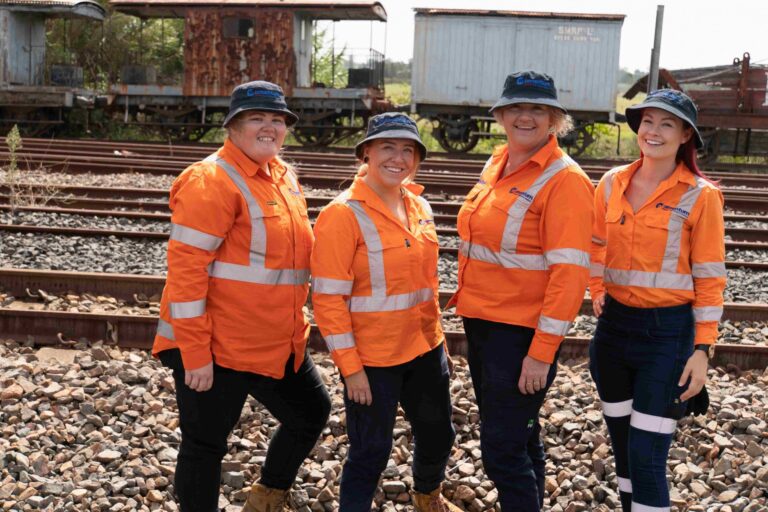
Rail labouring can require personal protective equipment appropriate to the task and worksite. Depending on the activity, this may include high-visibility clothing, safety footwear, hard hats, gloves, eye protection or hearing protection. Workers need to know how to use required PPE correctly and recognise when equipment is damaged or unsuitable. PPE is only one part of workplace safety. It does not replace safe procedures, worksite protection, training or other controls. A worker wearing appropriate PPE still needs to follow all relevant instructions and remain aware of surrounding hazards.
Working in Different Weather Conditions
Much rail infrastructure work takes place outdoors. This means workers may be exposed to changing weather conditions. Hot weather can increase physical strain, while rain can affect surfaces and visibility. Cold or windy conditions can also influence how comfortably and safely work can be performed. Workers should follow workplace requirements for managing environmental conditions. They also need to recognise when changing weather affects a task or introduces additional hazards that should be reported. Being prepared for outdoor work is an important part of rail labouring.
Managing Fatigue
Physical work can contribute to fatigue, particularly during demanding or extended activities. Fatigue can affect concentration, reaction time and decision-making as well as physical performance. This makes fatigue an important safety consideration. Fatigue management is a shared responsibility between workers and organisations. Workers need to comply with applicable fitness-for-work requirements and recognise factors that may affect their ability to perform safely. Organisations also need systems for identifying and managing fatigue-related risks. Treating extreme tiredness as something that should simply be pushed through can compromise safe work.
Basic Problem-Solving Skills
Rail labourers can encounter practical problems during everyday work. Materials may not be where expected, equipment may require attention or site conditions may differ from the original plan. Good problem-solving involves recognising the issue and determining the appropriate next step within the worker’s responsibilities. It does not mean improvising outside established procedures. If a problem involves safety, infrastructure or responsibilities beyond the worker’s competency, it should be referred to the appropriate person. Knowing when to ask for assistance is an important workplace skill.
Understanding Worksite Protection
Rail labourers do not necessarily establish the protection arrangements applying to a worksite, but they need to understand and follow the arrangements relevant to them. Before beginning work, workers may receive a briefing explaining worksite boundaries, hazards and applicable protection conditions. They should listen carefully and ask questions when something is unclear. Workers should never assume that a track is protected simply because other people are already working nearby. They need to follow the directions and access arrangements established by appropriately competent personnel.
Building the Right Habits for Rail Work
Successful rail labouring requires more than physical capability. Good workers develop habits that support safe and reliable performance. They listen carefully, communicate concerns, use equipment correctly and follow procedures even when a task feels familiar. They remain aware of their surroundings and understand the boundaries of their competency. They also recognise that learning continues after initial training. Rail environments, technologies and responsibilities can change, making ongoing development an important part of a long-term career.
Rail labouring requires a combination of physical capability, practical ability and technical understanding. Stamina, coordination and safe manual handling can help workers manage the physical demands of infrastructure work. At the same time, communication, situational awareness, hazard identification, teamwork and procedural discipline are essential for operating safely within rail environments. Workers also need to understand the limits of their competency and complete the training required for their particular role and rail network. Developing the right physical and technical skills is an important part of becoming a capable rail labourer. What Does a Rail Labourer Do? provides further insight into the everyday responsibilities, working conditions and practical skills involved in rail labouring.
-
What Does a Rail Labourer Do
A rail labourer supports the construction, maintenance, inspection, and operation of rail infrastructure. Their duties can include assisting with track work, preparing worksites, handling…
-
10 Reasons Your Manager Should Pay for Your Upskill Training in Rail
If you are planning a career in the rail industry or already serving in a role with potential for growth, it’s beneficial to upskill and even better if your manager will pay for it.
-
Who Needs Safely Access the Rail Corridor Training?
Safely Access the Rail Corridor training is designed for people who need to enter and work in or around a rail corridor as part…